If you’re a driver who survives a deadly crash when others didn’t, it’s a unique kind of nightmare. Of course you didn’t intend harm. Maybe it wasn’t even wholly your fault. Nonetheless, lives were changed irrevocably – your own included. That is especially true if you’re arrested in connection with a fatal car accident in Fort Lauderdale. 
Just because a fatal crash occurs (as they do roughly 3,500 times a year in Florida, according to the FLHSMV), it does not necessarily mean the driver(s) will face criminal charges. You might only face a traffic citation.
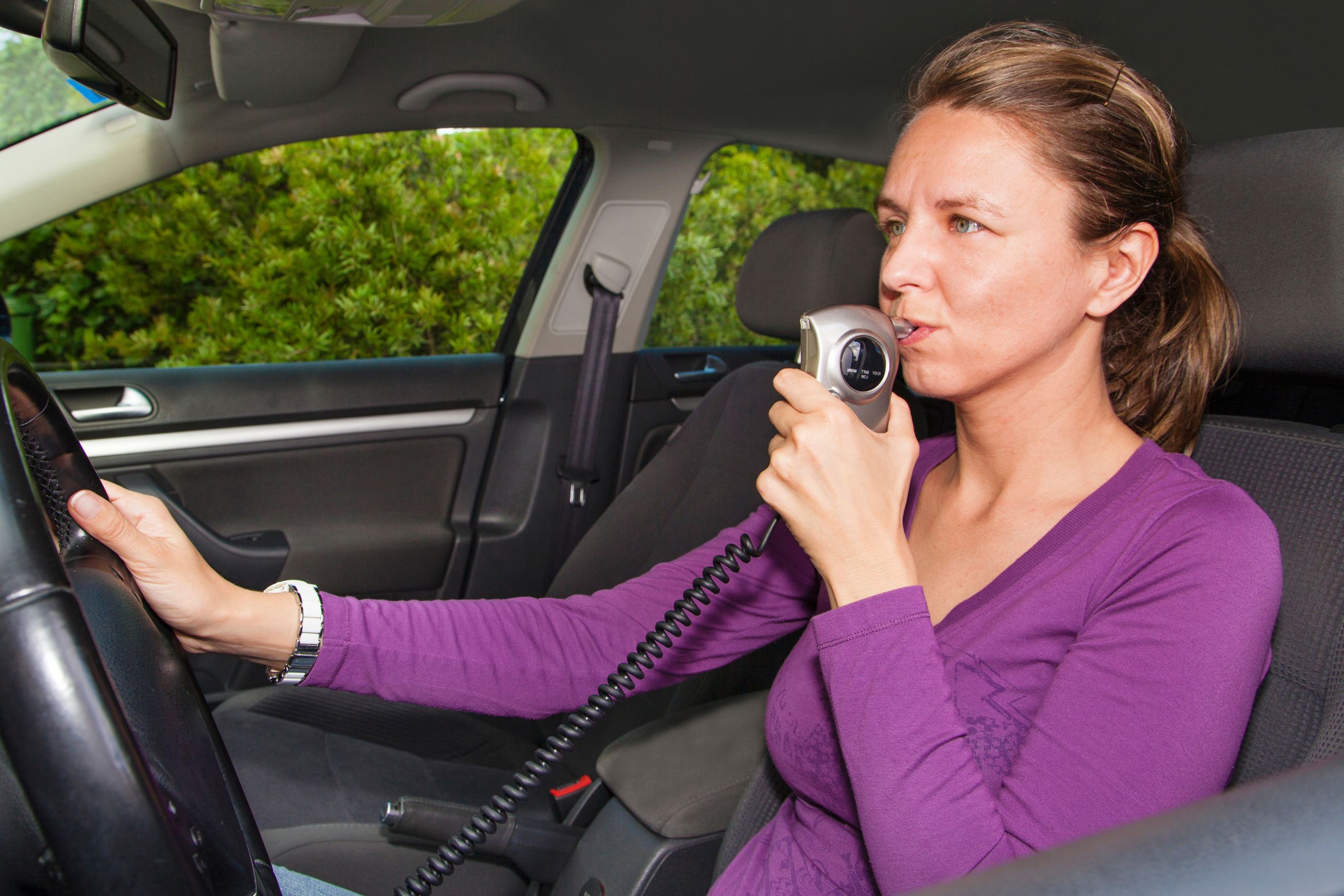
Criminal traffic charges are typically only filed when there is evidence of willful/wanton recklessness. Not mere carelessness, but reckless driving in a manner likely to cause great bodily harm or death. That can include street racing, being drunk/under the influence, fleeing a law enforcement officer, greatly excessive speeding (significant enough to be considered reckless), or engaging in acts of road rage (weaving through traffic, aggressively cutting people off, etc.).
The other primary catalyst for criminal charges filed in fatal Florida traffic accidents is a driver leaving the scene of an accident, better known as hit-and-run.
As a Fort Lauderdale criminal defense lawyer can explain, charges might not be filed immediately after the collision. It’s going to take time for investigators to piece together what they think happened. Some arrests don’t happen until months after the fact. It’s a really good idea if you were a driver in a fatal Broward crash to seek immediate legal counsel from a criminal defense lawyer – even if you aren’t sure whether you did anything wrong. This will help ensure your rights are protected and that you don’t speak out of turn in a way that could threaten your freedom or your future.
Criminal vs. Civil Traffic Crash Cases
Fatal crashes sometimes result in two separate judicial proceedings: One civil, one criminal.
In the civil justice proceedings, the question will be whether the defendant driver was negligent, meaning they failed in their duty to use reasonable care in operating the vehicle, resulting in the death of another person. Such cases are filed by the decedent’s surviving loved ones or their estate. If negligence is proven by a preponderance of the evidence, the defendant may be financially responsible to pay money to the survivors/estate.
In the criminal justice proceedings, the question will be whether there is proof beyond a reasonable doubt that the defendant driver violated state law, and thus deserves to be punished according to the state’s criminal code.
The proof burden for criminal cases is far higher than for civil cases. That’s the reason a person might not face criminal charges, but could still be found liable in civil court.
Recent Broward Fatal Crash Criminal Cases
Recently, a number of fatal crashes in Broward County have made headlines. Among them:
- A 42-year-old arrested for two counts of reckless driving and one count of vehicular homicide in Fort Lauderdale after the crash death of a motorcyclist.
- A 20-year-old arrested for two counts of vehicular homicide, multiple counts of reckless driving, and numerous drug charges following a fatal Tamarac rollover crash that killed two women and injured five other people.
- A 16-year-old unlicensed teen driver and his father arrested for reckless driving and vehicular homicide for the death of a pregnant ICU nurse and critical injury to her 8-year-old son in Miramar. The teen was allegedly under the influence of marijuana and driving 113-miles-per-hour in a 45 mph zone. The teen’s father wasn’t in the vehicle at the time, but his criminal charges stem from the fact that he provided his unlicensed teen with a vehicle.
Penalties for Fatal Crash Criminal Charges in Florida
Continue reading
 Fort Lauderdale Criminal Attorney Blog