You are running late for your flight at Fort Lauderdale-Hollywood International Airport. You drop your bag on the conveyor belt, step through the scanner, and a moment later, everything stops. TSA officers are huddled around the X-ray monitor. Your carry-on bag contains a firearm you forgot to remove — one you legally own, one you have carried lawfully for years. Within minutes, a Broward Sheriff’s Office deputy is standing in front of you.
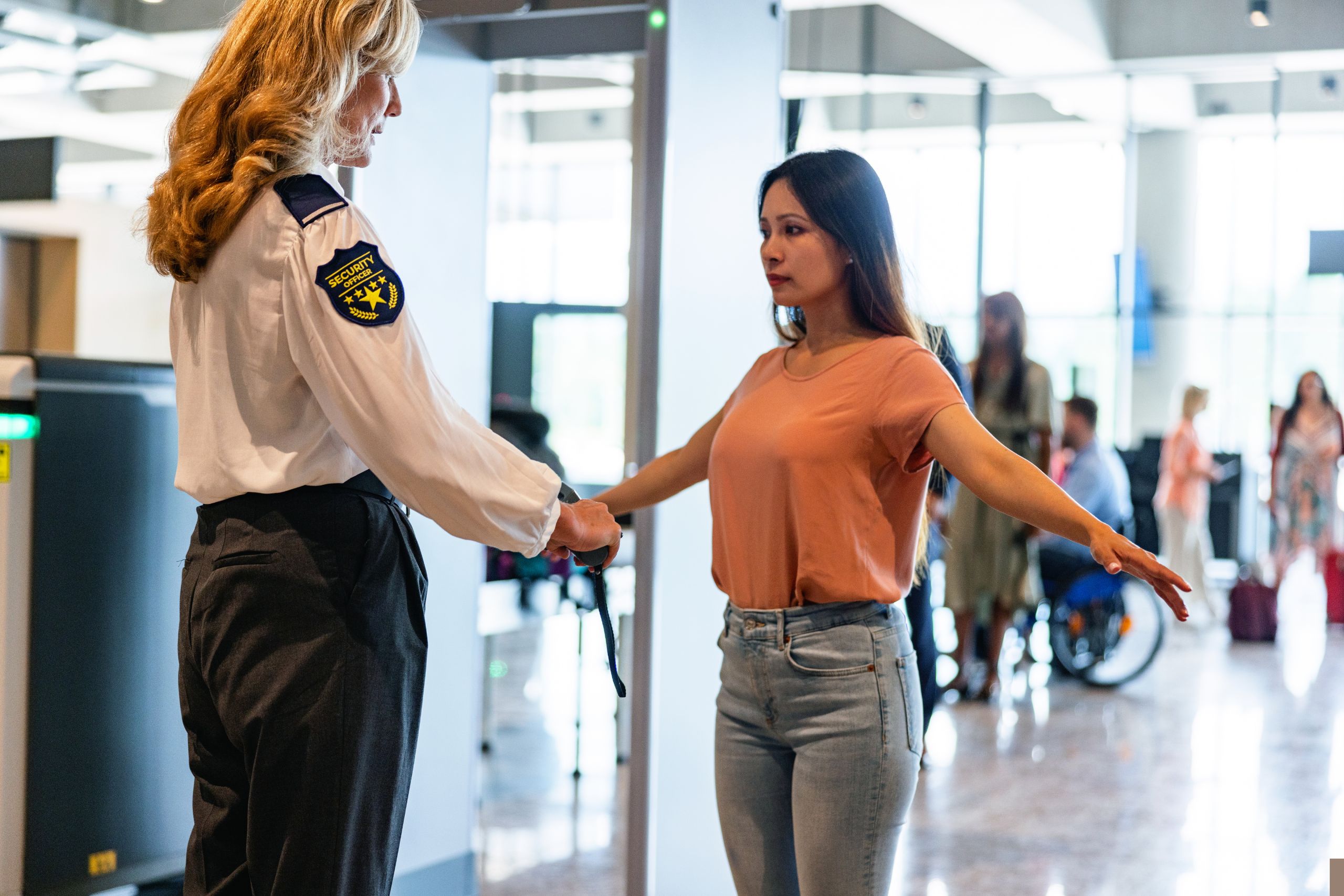
What happens next depends on a set of interlocking legal questions that most travelers, even law-abiding gun owners, have never considered. Chief among them: who is actually prosecuting you for these alleged crimes at the airport, the State of Florida or the federal government? And what does that mean for your future?
As our Fort Lauderdale criminal defense lawyers can explain, the answer is more nuanced than most people realize, and it changes based on exactly where inside FLL you are standing when the firearm is discovered. Understanding the distinction can be the difference between a manageable legal situation and one that permanently alters the course of your life.
The Lay of the Land at FLL: Where You Are Matters
Fort Lauderdale-Hollywood International Airport is a layered environment from a legal jurisdiction standpoint. The Broward County Aviation Department contracts with the Broward Sheriff’s Office to provide all law enforcement services at FLL. BSO operates an Airport District with specialized units, including a Criminal Investigations Unit that investigates all reported crimes at FLL and presents cases to the State Attorney’s Office. BSO also works in close coordination with federal agencies including the FBI, U.S. Customs and Border Protection, and the U.S. Department of Homeland Security.
The most important geographic line inside FLL, from a legal standpoint, is the TSA security checkpoint — the boundary between the public, non-sterile area of the terminal and the secure, sterile zone beyond it. Where you and your firearm are located relative to that line shapes virtually every aspect of what follows.
Pre-security: If you are in the ticketing area, near the check-in counters, or anywhere in the public terminal before reaching the TSA checkpoint, you are in an area to which the general public has access. Florida’s Constitutional Carry law (effective July 1, 2023) dramatically changed the landscape here. Under Florida Statute § 790.01, eligible individuals may now carry a concealed firearm without a permit so long as they otherwise satisfy the criteria established under § 790.06. A lawfully-possessed firearm in the pre-security area of a Florida airport does not, standing alone, constitute a criminal violation of Florida law. The situation changes substantially, however, once you approach the checkpoint.
At or beyond the checkpoint: This is where the legal exposure becomes serious and immediate. Federal law, specifically 49 U.S.C. § 46314, expressly prohibits knowingly and willfully entering a secure area of an airport while in violation of security requirements — which include the prohibition on bringing a firearm through a TSA checkpoint. Florida law mirrors this prohibition. Under Florida Statute § 790.06(12), carrying a concealed firearm into any place where the carrying of firearms is prohibited by federal law is itself a criminal offense. Airport security checkpoints are unambiguously within that prohibition. It makes no difference whether signs were posted at the checkpoint informing you of the restriction.
What Happens the Moment TSA Finds Your Firearm
The procedural sequence that follows a firearm discovery at a TSA checkpoint is fairly predictable, and understanding it can help you think clearly during a profoundly disorienting experience.
TSA officers do not have arrest authority. They will immediately contact the Broward Sheriff’s Office, which will dispatch a deputy to the checkpoint. BSO will remove you and the firearm from the screening area. Depending on the specific circumstances — including whether you have a concealed carry permit, whether the firearm was loaded, and whether you have any prior record — the deputy will either issue a citation or place you under formal arrest.
Your firearm will not be confiscated permanently by TSA. However, it may be taken into custody as evidence during the criminal investigation, depending on how the case proceeds. TSA will separately initiate a federal civil penalty proceeding. This is an administrative process that runs entirely parallel to and independent of any criminal charges and does not resolve simply because the criminal matter is dismissed or resolved favorably.
Here is something critically important to understand: you are facing two separate legal tracks simultaneously. A criminal prosecution by the State of Florida (or, in limited circumstances, the federal government), and a federal civil enforcement action by TSA. Each has its own rules, its own timeline, and its own potential consequences. Addressing one does not automatically address the other.
State vs. Federal Criminal Prosecution: The Decisive Factors
For the vast majority of travelers who find themselves in this situation at FLL, the criminal prosecution will be brought by the State of Florida through the Broward County State Attorney’s Office — not by federal prosecutors. As a general rule, most crimes at Florida airports are prosecuted under state law, and the presence of federal agencies like TSA at the airport does not automatically federalize the offense.
However, certain factors will shift the matter into federal court, and the consequences of that shift are severe.
If you are a federally prohibited person: If you have a prior felony conviction, are subject to a domestic violence restraining order, have been adjudicated mentally defective, or fall into any other category of person prohibited from possessing a firearm under 18 U.S.C. § 922(g), the matter will almost certainly become a federal case. Federal prohibited-person charges carry mandatory minimum sentences, often ranging from five to ten years in federal prison, with no pretrial diversion and no probation. This is a fundamentally different legal universe from a state misdemeanor.
If you attempt to board an aircraft with the firearm: Under 49 U.S.C. § 46303, attempting to board a commercial aircraft while concealing a firearm is a federal offense carrying up to ten years in prison and civil penalties up to $10,000 per violation. The distinction here is meaningful: being stopped at the checkpoint with a forgotten firearm is treated differently — legally and practically — from someone who proactively attempts to conceal a weapon and board a plane.
If no disqualifying factors apply: For the typical scenario — a law-abiding citizen with a valid concealed carry permit, no criminal history, and a firearm that ended up in a carry-on bag through a genuine oversight — the case will almost certainly remain in state court in Broward County. Under Florida Statute § 790.06(12)(d), knowingly and willfully carrying a concealed firearm in a prohibited location is a second-degree misdemeanor. If the person does not have a valid permit, they may face a third-degree felony under Florida Statute § 790.01(3) for carrying a concealed firearm without authorization.
The TSA Civil Penalties: A Separate and Serious Consequence
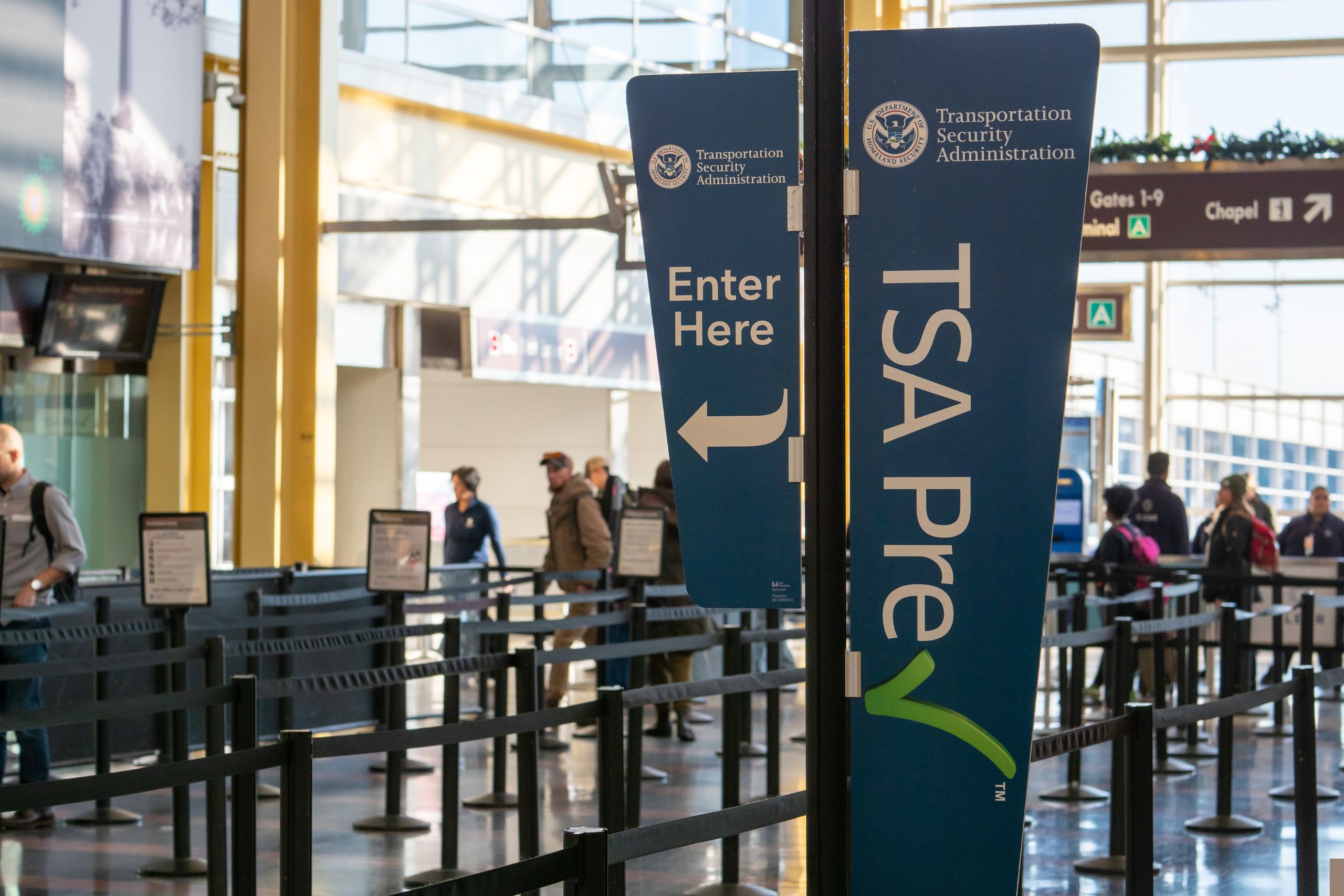
Even if criminal charges are ultimately dropped or reduced — a realistic and achievable outcome in many honest-mistake cases — the TSA civil penalty process proceeds independently. TSA has authority to impose administrative fines of $2,050 for an unloaded firearm and $4,100 for a loaded one, with the total potentially reaching $14,950 or more depending on aggravating circumstances. TSA PreCheck eligibility will be suspended for a minimum of five years on a first offense, and permanently revoked for repeat violations or cases involving prohibited persons.
An experienced Fort Lauderdale criminal defense lawyer who is familiar with TSA’s federal administrative process can negotiate the civil penalty separately and concurrently, working to reduce it and document mitigating factors — including your clean record, the circumstances of the oversight, and your prompt, cooperative response.
The “Honest Mistake” Defense: More Viable Than You Think
Here is what law enforcement at FLL will not tell you when they take your information: the vast majority of firearms discovered at airport checkpoints in Florida belong to legal gun owners who genuinely forgot the weapon was in their bag. In fact, FLL consistently ranks among the top ten airports in the nation for TSA firearm discoveries. In 2024 alone, 113 firearms were discovered at FLL — and the overwhelming majority of those cases involved people with no criminal history and no intent to bring the firearm aboard.
Florida law recognizes the defense of mistake of fact for crimes that require criminal intent. A mistake of fact means you were unaware of, or misunderstood, a key factual circumstance at the time of the conduct at issue. Under established Florida legal principles, where a defendant has an honest and reasonable belief in facts that, if true, would have made the conduct lawful, that mistake can negate the criminal intent required for conviction.
Critically, most state-level firearms charges in the airport context are not strict liability offenses. For an honest, first-time mistake by a law-abiding gun owner, there are meaningful avenues a skilled defense attorney can pursue: negotiation with the Broward State Attorney’s Office for a nolle prosequi (outright dismissal), referral to a pretrial diversion program that results in no conviction, or reduction of charges to a non-criminal infraction. These outcomes are not guaranteed, but they are regularly achieved — particularly when counsel is retained quickly and the right narrative is built around the facts of the case.
It is also worth noting that the federal civil statutory language in 49 U.S.C. § 46314 requires that a person “knowingly and willfully” enter a secure area in violation of security requirements. Where the evidence clearly supports a genuine and documented mistake — a regular carry bag grabbed by accident, a traveler unfamiliar with the regulation, no prior violations — the “knowingly and willfully” element can be a meaningful point of contention in both the criminal and civil proceedings.
Why You Must Retain Experienced Defense Counsel Immediately
If you or someone you know is facing a firearms charge following an incident at FLL, there are several reasons why retaining a Fort Lauderdale criminal defense lawyer as quickly as possible is not simply advisable — it is essential.
Early intervention changes outcomes. The decisions made in the first 24 to 72 hours after a firearm is discovered — what you say, what you do not say, how your conduct is documented and characterized — significantly affect the trajectory of the entire case. An attorney retained immediately can advise you on how to engage with both BSO and TSA in ways that protect your rights and support the best possible resolution. The longer you wait, the narrower those opportunities become.
Two proceedings, one strategy. As discussed above, you face simultaneous state criminal proceedings and federal TSA civil proceedings. These tracks are interconnected in ways that are not obvious without legal experience. Decisions made in one proceeding can affect the other. A defense attorney who understands both the Broward County criminal court system and TSA’s federal administrative penalty process can coordinate your defense across both fronts, avoiding the costly mistake of addressing one while inadvertently undermining the other.
The consequences extend far beyond the courtroom. A firearms conviction at the airport can affect your Florida concealed weapons license or eligibility, your immigration status if you are not a U.S. citizen, your federal firearms purchasing rights, your professional licenses, your employment, and your security clearances. Even a second-degree misdemeanor carries real-world consequences that follow you long after the case is resolved. A skilled attorney understands these downstream effects and negotiates with them in mind, not just the immediate charge.
Most people in this situation are not career criminals. You are likely a responsible gun owner who made an honest mistake under pressure. That matters — not just morally, but legally. A Fort Lauderdale criminal defense lawyer with experience handling airport firearms cases knows how to document, present, and advocate for that narrative in a way that resonates with prosecutors and judges in Broward County. The goal is not just to fight charges — it is to ensure that one stressful morning at an airport does not define the rest of your life.
Call Fort Lauderdale Criminal Defense Attorney Richard Ansara at (954) 761-4011. Serving Broward County.