 Fort Lauderdale Criminal Attorney Blog


Most people stopped by a Florida Fish and Wildlife Conservation Commission officer assume they are dealing with a game warden. They picture a narrow job. Check the license, measure the catch, write a ticket, move on. That assumption is wrong, and it produces arrests that a Fort Lauderdale criminal defense attorney sees every week in Broward County court.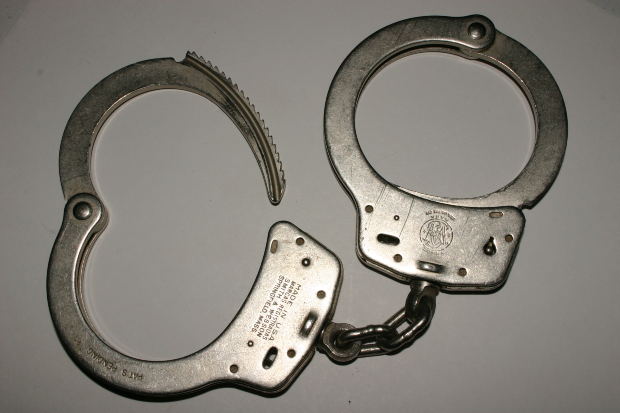
The Legislature Called Them Police Powers
Section 379.3311, Florida Statutes, is titled “Police powers of commission and its agents.” The title is not decorative. Subsection (1) constitutes FWC officers as peace officers with the power to make arrests for violations of the laws of this state, and it makes the general laws applicable to arrests by peace officers applicable to them.
FWC states the point plainly on its own website. The agency describes its sworn personnel as fully constituted police officers under Section 379.3311 with authority to enforce all laws of the state, not only those relating to fish and wildlife.
The jurisdiction is statewide. An FWC officer working the Intracoastal region of Broward County carries the same arrest authority as a Fort Lauderdale police officer on the streets. Section 379.3311(1) adds something no municipal officer has. It authorizes FWC officers to enter upon any land or waters of the state in performance of their lawful duties and declares that the entry does not constitute a trespass.
The Search Authority Comes With Conditions
Section 379.3311(2)(e) permits an officer to arrest without a warrant on probable cause and to examine any person, boat, conveyance, vehicle, game bag, or other receptacle for wildlife or marine life. Section 379.334 separately authorizes officers to board vessels and to enter fish houses, warehouses, and other buildings to search for and seize unlawfully held wildlife and gear without a warrant.
Read the conditions attached to that authority, because they are often where cases are won. Section 379.3311(2)(e) requires that the officer have reason to believe a violation occurred, that the officer exhibit his or her authority, and that the officer state the reason for the belief to the person in charge. Section 379.334 is titled “Search and seizure authorized and limited,” and the limits require probable cause.
Note, however, that Section 379.334 excludes dwellings from its warrantless search authority, and Section 379.335 requires a warrant to search a private dwelling. An officer who followed a suspect from a boat ramp into a home has left the statute behind.
A Bag Limit Check Can End as a Felony
The general nature of FWC authority is what should concern anyone stopped on the water. Officers approach for undersized snapper and leave with a felony arrest. Plain view observations inside a cooler or a center console lead to drug charges. A firearm under a seat produces a possession count against someone with a prior conviction. Consent given casually to a cooler inspection could later be argued as consent to the entire vessel.
That is the practical answer to why this matters. The FWC stop is rarely the whole case. It is the doorway to a case that could carry far more serious consequences. A Fort Lauderdale criminal defense attorney will often start by examining the lawfulness of the initial contact before addressing anything found afterward.
The Penalties Escalate Quietly
Section 379.401 sorts most Chapter 379 offenses into levels. A Level One violation is a noncriminal infraction carrying a civil penalty starting at $50. A first Level Two violation is a second-degree misdemeanor. A Level Three violation is a first-degree misdemeanor. Repeat convictions add mandatory minimum fines and suspension of recreational licenses for years.
Section 379.337 authorizes confiscation, seizure, and forfeiture of property used in a violation, which reaches gear, and in some cases vessels.
The most common self-inflicted wound involves a Level One citation. Section 379.401 provides that a person who pays the civil penalty is deemed to have admitted committing the violation and to have waived the right to a hearing in county court. Writing that check feels like closing the matter. It creates the prior violation that pushes the next citation into criminal territory.
Before Consenting to Anything
An FWC officer with statutory authority to inspect a fish box does not automatically have authority to search a vehicle, a phone, or a home. Consent expands that authority instantly and voluntarily. Anyone stopped by FWC in Broward County should decline consent politely, request an attorney, refrain from paying a citation before reviewing it, and speak with a Fort Lauderdale criminal defense attorney about what the officer said and did before the search began.
Call Fort Lauderdale Criminal Defense Attorney Richard Ansara at (954) 761-4011. Serving Broward County.
Additional Resources:
FWC – Division of Law Enforcement
More Blog Entries:
Why Hire a Fort Lauderdale Fishing Violation Defense Attorney, July 3, 2024, Broward FWC Violations Lawyer Blog
Why FWC Citations Can Be Harder to Fight than Traffic Tickets, Jan. 13, 2026, Fort Lauderdale FWC Violation Defense Lawyer Blog
