 Fort Lauderdale Criminal Attorney Blog


Florida’s waterways, hunting grounds, and natural preserves attract millions of residents and visitors each year. Whether you’re fishing off the coast of Fort Lauderdale, hunting in the Everglades, or enjoying a day on your boat in Broward County, encounters with Florida Fish and Wildlife Conservation Commission (FWC) officers are more common than many people realize. Unfortunately, what many people don’t understand is that FWC citations carry consequences that can be far more severe and harder to contest than typical traffic violations. 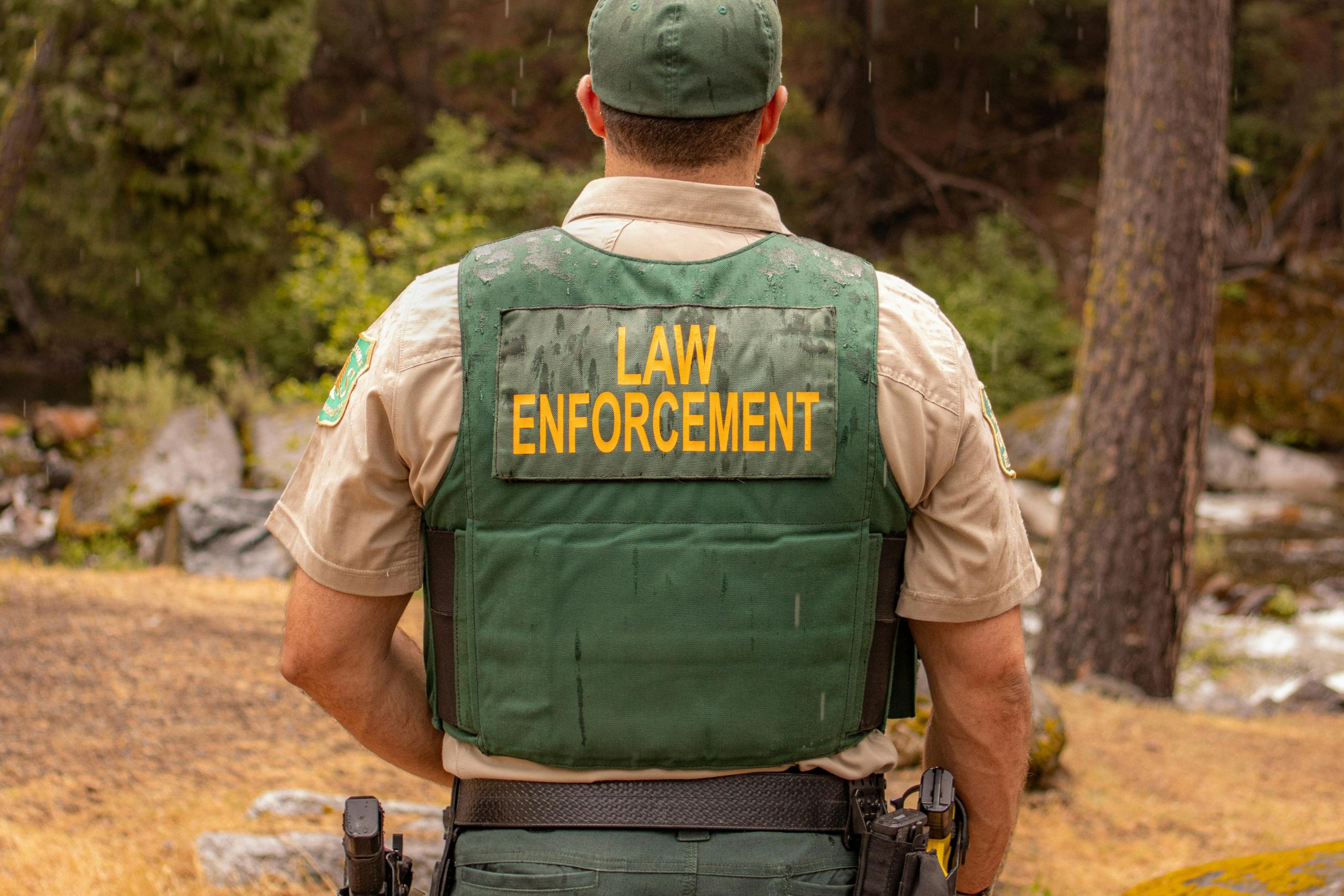
If you’ve received an FWC citation in Broward County or surrounding areas, you may be facing criminal charges, substantial fines, loss of licenses and permits, and even jail time. The stakes are high, and the legal terrain is treacherous for those who attempt to navigate it without experienced legal representation from a Fort Lauderdale criminal defense lawyer with a track record of success in FWC violation cases.
Why FWC Officers Have Broader Authority Than You Think
Many people mistakenly believe that FWC officers operate under the same constraints as municipal police officers or that wildlife violations are similar to traffic tickets. This is not correct.
Expanded Search and Seizure Powers
Unlike traditional law enforcement, FWC officers possess extraordinary search authority when it comes to enforcing fish and wildlife laws. Under Florida Statute § 379.3311, FWC officers are granted the power to:
- Stop and board any vessel without a warrant to inspect for compliance with fish and wildlife regulations.
- Search coolers, livewells, storage compartments, and cargo areas without your consent or probable cause.
- Inspect hunting and fishing equipment, licenses, and permits at any time.
- Examine any wildlife, fish, or game in your possession to verify species, size, and bag limits.
- Enter private property where hunting or fishing occurs to enforce wildlife laws.
These warrantless search provisions have been upheld by Florida courts under the legal theory that individuals engaging in regulated activities like hunting and fishing have a reduced expectation of privacy. In practical terms, this means that simply being on the water or in the field gives FWC officers legal grounds to conduct searches that would be unconstitutional if performed by other law enforcement agencies.
What does this mean for you? It means that if you have undersized fish in your cooler, over-limit catches, improperly tagged game, or illegal equipment aboard your vessel, FWC officers can find it—and they don’t need your permission or a search warrant to do so.
“I Didn’t Know the Limit” Is Never a Valid Defense
One of the most common—and unsuccessful—defenses people attempt when facing FWC charges is claiming ignorance of the law. Florida courts have consistently held that lack of knowledge of fish and wildlife regulations is not a defense to violations.
As it pertains to Florida’s fish and wildlife laws, prosecutors do not need to prove that you intended to violate the law or that you knew you were breaking it. All that matters is whether you committed the violation. If you had three grouper in your cooler when the limit is two, you’re guilty—even if you genuinely didn’t know the bag limit.
The legal principle is simple: everyone who chooses to hunt or fish in Florida is presumed to know the applicable laws and regulations governing those activities.
This standard makes defending FWC cases particularly challenging. Unlike criminal cases where prosecutors must prove mens rea (criminal intent), FWC violations focus almost entirely on the objective facts: Did you possess more fish than allowed? Was the fish undersized? Did you hunt out of season? The answers to these questions determine guilt, not your state of mind.
Common FWC Citations in Broward County and South Florida
While FWC enforces hundreds of regulations, Fort Lauderdale criminal defense attorneys recognize that certain violations occur with far greater frequency in Broward County and the surrounding areas. Understanding these common charges—and their statutory basis—is essential for anyone who enjoys Florida’s natural resources.
1. Fishing Without a Valid License
Statute: Florida Statute § 379.354
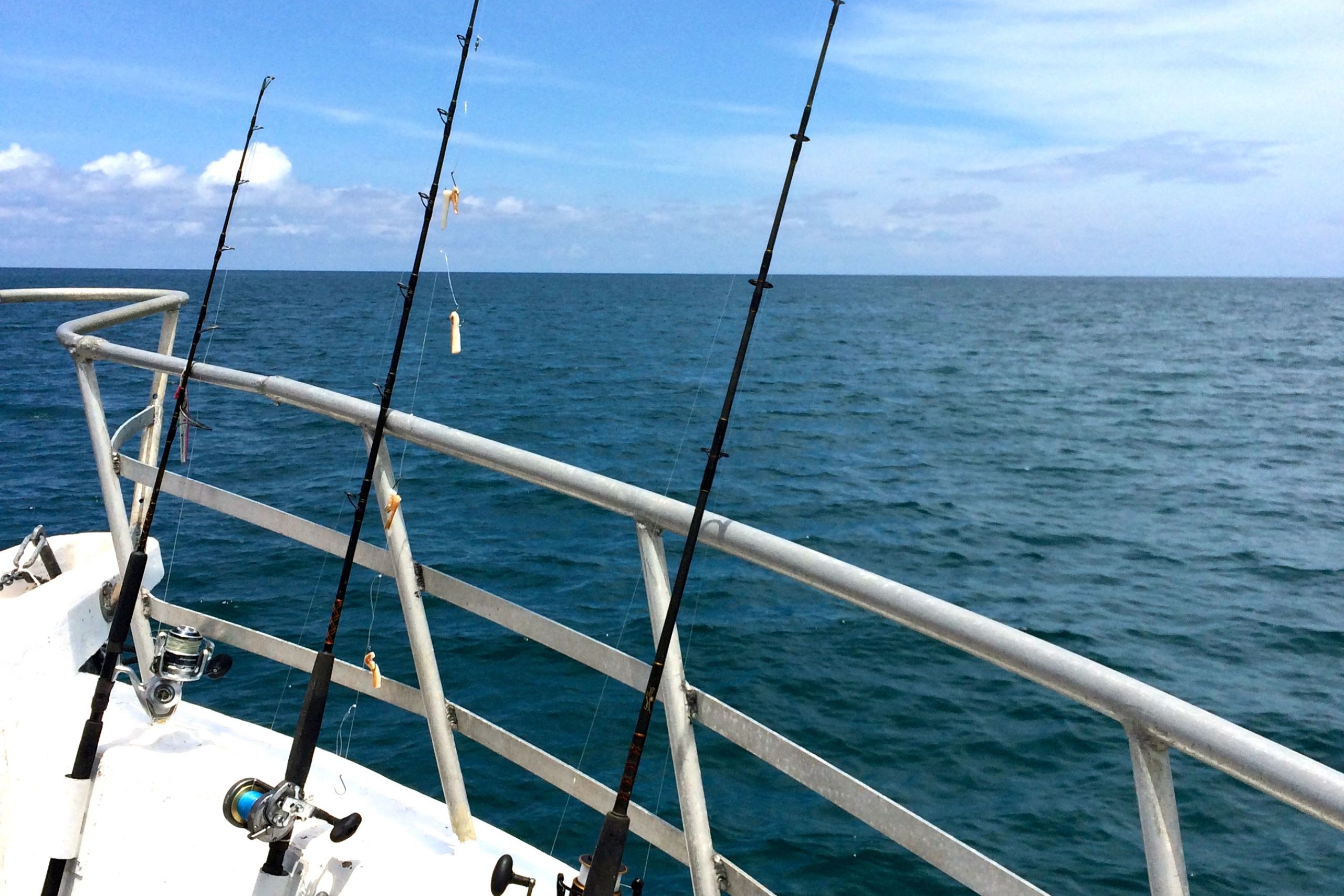
Florida law requires most individuals to possess a valid fishing license before engaging in freshwater or saltwater fishing. Exemptions exist for Florida residents fishing from shore or from structures fixed to shore, children under 16, and residents over 65. However, most anglers—particularly those fishing from boats—must have proper licensing.
Penalties:
- First offense: Second-degree misdemeanor, punishable by up to 60 days in jail and a $500 fine
- Subsequent offenses: Increased penalties and potential fishing license suspension
Many people assume fishing license violations are civil infractions similar to parking tickets. They’re not. A conviction creates a criminal record that can affect employment, professional licensing, and background checks.
2. Violations of Size and Bag Limits
Statutes: Florida Statute § 379.401 and Florida Administrative Code Rules 68B-14 through 68B-44
Florida maintains detailed regulations governing the minimum and maximum sizes of fish that may be harvested, as well as the number of each species an angler may possess (bag limits). These regulations vary by species, location, and season.
Common violations in South Florida include:
- Undersized snapper (particularly mutton, yellowtail, and mangrove snapper)
- Undersized grouper (such as gag, black, and red grouper)
- Exceeding bag limits for mahi-mahi, kingfish, or other popular gamefish
- Possession of prohibited species like goliath grouper or certain shark species
Penalties:
- First offense: Second-degree misdemeanor, up to 60 days in jail and $500 fine
- Second offense within 36 months: First-degree misdemeanor, up to 1 year in jail and $1,000 fine
- Third offense within 36 months: Third-degree felony, up to 5 years in prison and $5,000 fine
- Additional penalties may include vessel impoundment, license suspension, and forfeiture of equipment
The escalating penalties demonstrate Florida’s serious approach to wildlife conservation. A single mistake can lead to criminal charges, and repeat violations can result in felony prosecution.
3. Harvesting During Closed Seasons
Statutes: Various administrative code provisions
Many fish and wildlife species in Florida have designated closed seasons during which harvesting is prohibited to protect breeding populations. Notable examples include:
- Stone crab claws (closed May 16 – October 14)
- Spiny lobster (various closures, with recreational season closed April 1 – July 31)
- Certain grouper species during spawning season
- Deer hunting (restricted to specific fall and winter seasons)
Penalties:
- First-degree misdemeanor: Up to 1 year in jail and $1,000 fine
- Enhanced penalties for violations involving threatened or endangered species
- Potential federal charges if protected marine mammals or endangered species are involved
4. Boating Under the Influence (BUI)
Statute: Florida Statute § 327.35
While technically a boating violation rather than a pure fish and wildlife offense, BUI charges are frequently issued by FWC officers during routine safety inspections on the water. Florida’s BUI law mirrors its DUI statute, making it illegal to operate a vessel with a blood alcohol concentration (BAC) of 0.08% or higher, or while impaired by alcohol or drugs.
Penalties:
- First offense: Second-degree misdemeanor, up to 6 months in jail, $500-$1,000 fine, 50 hours community service
- Second offense: Second-degree misdemeanor, up to 9 months in jail, $1,000-$2,000 fine
- Third offense (within 10 years): Third-degree felony, up to 5 years in prison, $2,000-$5,000 fine
- BUI causing property damage: First-degree misdemeanor
- BUI causing serious bodily injury: Third-degree felony
- BUI manslaughter: Second-degree felony
BUI convictions carry mandatory substance abuse courses, vessel impoundment, and can impact your driver’s license. For commercial mariners, a BUI can end your career.
5. Illegal Taking of Protected Species
Statutes: Florida Statute § 379.2431 (Marine Turtle Protection Act) Florida Statute 379.2291 (Endangered and Threatened Species)
Florida is home to numerous protected species, including sea turtles, manatees, certain sharks, sawfish, and various bird species. Harassing, harming, or taking these species—even unintentionally—can result in serious state and federal charges.
Common violations:
- Disturbing sea turtle nests or hatchlings
- Harassing manatees (feeding, touching, or pursuing)
- Harvesting prohibited shark species
- Taking or possessing eagle feathers or parts
Penalties:
- First-degree misdemeanor: Up to 1 year in jail and $1,000 fine (state charges)
- Federal charges under the Endangered Species Act: Up to 1 year imprisonment and $50,000 fine per violation
- Enhanced penalties for knowing violations or commercial activity
- Permanent loss of hunting and fishing privileges
These cases often involve both state and federal prosecution, making legal representation absolutely essential.
Why FWC Cases Require Experienced Criminal Defense Representation
FWC violations are not civil infractions—they are criminal charges that can result in jail time, heavy fines, criminal records, and loss of privileges. The consequences extend far beyond the immediate penalties:
Criminal Records and Collateral Consequences
A conviction for an FWC violation creates a permanent criminal record that appears on background checks. This can affect:
- Employment opportunities (many employers conduct criminal background checks)
- Professional licensing (doctors, lawyers, nurses, real estate agents, etc.)
- Immigration status (non-citizens can face deportation for certain convictions)
- Housing applications (landlords frequently screen for criminal history)
- Second Amendment rights (felony convictions result in loss of firearm rights)
- Educational opportunities and financial aid
License Suspension and Revocation
Beyond criminal penalties, FWC has administrative authority to suspend or revoke hunting and fishing licenses. Under Florida Statute § 379.3311, the FWC can suspend privileges for:
- Up to 3 years for first-time serious violations
- Up to 5 years for second offenses
- Permanent revocation for particularly egregious or repeated violations
Florida participates in the Interstate Wildlife Violator Compact, meaning a license suspension in Florida can lead to reciprocal suspensions in 48 other member states. This can effectively end your ability to hunt or fish anywhere in the United States.
Asset Forfeiture and Equipment Seizure
Under Florida Statute § 379.336, FWC can seize and forfeit property used in commission of wildlife violations, including:
- Boats and vessels
- Vehicles and trailers
- Firearms and hunting equipment
- Fishing rods, reels, and tackle
- Electronic equipment (GPS units, fish finders, radios)
The value of forfeited property can far exceed the actual fines imposed. A boat owner facing a simple bag limit violation could lose a $50,000 vessel. An experienced criminal defense attorney can challenge forfeiture actions and protect your property rights.
Enhanced Penalties for Repeat Offenders
Florida’s fish and wildlife laws impose dramatically escalating penalties for repeat offenders. What begins as a misdemeanor can quickly become a felony:
- First violation: Typically a second-degree misdemeanor
- Second violation within 36 months: First-degree misdemeanor with enhanced fines
- Third violation within 36 months: Third-degree felony with up to 5 years in prison
This means that even minor violations must be taken seriously. A conviction today could turn a future minor mistake into a felony charge.
How The Ansara Law Firm Can Help You Fight FWC Charges
Facing FWC charges can be overwhelming, but you don’t have to navigate the system alone. The Ansara Law Firm has extensive experience defending clients against fish and wildlife violations throughout Broward County and South Florida. Here’s how we can help:
1. Challenging the Stop and Search
While FWC officers have broad search authority, they’re not unlimited. We carefully review:
- Whether the stop was properly within FWC jurisdiction
- Whether the search exceeded statutory authority
- Whether evidence was obtained through illegal means
- Whether officers followed proper procedures in collecting and preserving evidence
If we can demonstrate that evidence was obtained illegally, we can file motions to suppress that evidence, potentially leading to dismissal of charges.
2. Examining the Evidence
Fish and wildlife cases often hinge on technical details. We scrutinize:
- Measurement techniques (were fish measured correctly?)
- Species identification (was the fish properly identified?)
- Counting procedures (were all fish actually counted and attributed correctly?)
- Chain of custody (was evidence properly documented and preserved?)
- Witness credibility (are the officer’s observations reliable?)
In many cases, we’ve successfully challenged FWC citations by demonstrating measurement errors, misidentification of species, or procedural violations that undermine the prosecution’s case.
3. Negotiating Reduced Charges or Alternative Dispositions
Even when the evidence is strong, experienced defense counsel can often negotiate favorable outcomes:
- Reduction from criminal charges to civil infractions
- Diversion programs that avoid criminal convictions
- Withheld adjudication (avoiding a formal conviction)
- Reduced fines and penalties
- Avoiding license suspension
- Preventing asset forfeiture
Our relationships with prosecutors and familiarity with local court practices give us the ability to pursue creative solutions that protect your record and minimize consequences.
4. Trial Representation
When negotiation isn’t possible or advisable, we’re prepared to take your case to trial. Our trial experience includes:
- Cross-examining FWC officers on measurement techniques and identification procedures
- Presenting expert testimony on species identification, fish biology, and conservation science
- Challenging the reliability of field measurements and counting methods
- Demonstrating reasonable doubt about violations
- Protecting your constitutional rights throughout the process
5. Protecting Your Livelihood
For commercial fishermen, charter boat captains, hunting guides, and others whose livelihoods depend on fish and wildlife resources, FWC violations can be devastating. We understand what’s at stake and fight to protect:
- Commercial fishing licenses
- Coast Guard captain’s licenses
- Professional permits and endorsements
- Business operations and reputation
- Vessel documentation and registration
6. Handling Related Criminal Charges
FWC stops often lead to additional criminal charges unrelated to fish and wildlife violations:
- Drug possession (marijuana, cocaine, prescription drugs without a prescription)
- Weapons violations (unlicensed concealed carry, prohibited weapons)
- Outstanding warrants
- Resisting arrest or obstruction charges
- Providing false information to law enforcement
As a full-service criminal defense firm, we can handle all charges arising from an FWC encounter, ensuring coordinated and comprehensive representation.
Don’t Face FWC Charges Alone
If you’ve been cited by the Florida Fish and Wildlife Conservation Commission, time is of the essence. Deadlines for contesting citations are short, and evidence can be lost if not preserved quickly. The sooner you contact an experienced criminal defense attorney, the better your chances of achieving a favorable outcome.
Call Fort Lauderdale Criminal Defense Attorney Richard Ansara at (954) 761-4011. Serving Broward County.
Additional Resources:
FWC – Division of Law Enforcement
More Blog Entries:
Why Hire a Fort Lauderdale Fishing Violation Defense Attorney, July 3, 2024, Broward FWC Violations Lawyer Blog
