 Fort Lauderdale Criminal Attorney Blog


You are running late for your flight at Fort Lauderdale-Hollywood International Airport. You drop your bag on the conveyor belt, step through the scanner, and a moment later, everything stops. TSA officers are huddled around the X-ray monitor. Your carry-on bag contains a firearm you forgot to remove — one you legally own, one you have carried lawfully for years. Within minutes, a Broward Sheriff’s Office deputy is standing in front of you.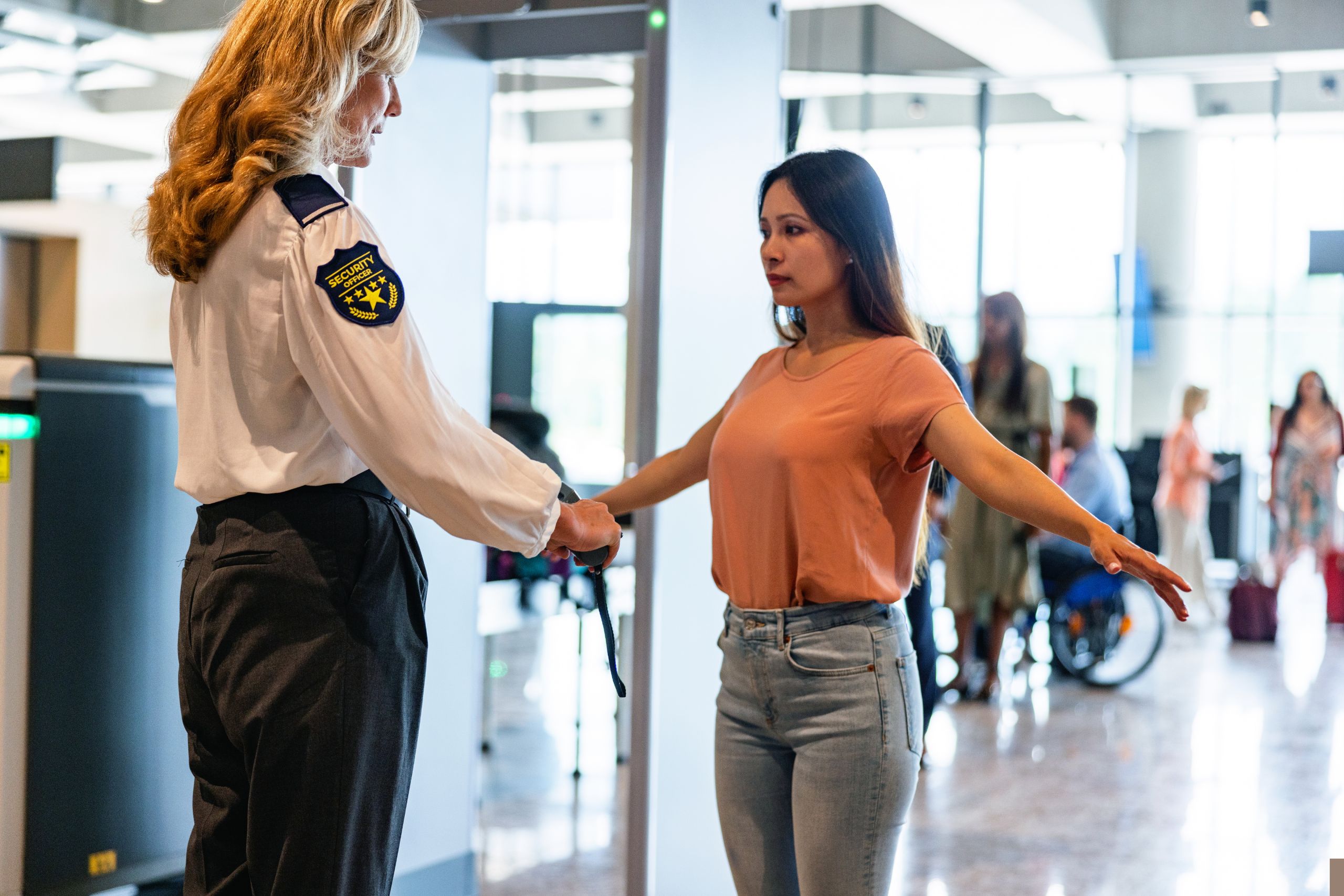
What happens next depends on a set of interlocking legal questions that most travelers, even law-abiding gun owners, have never considered. Chief among them: who is actually prosecuting you for these alleged crimes at the airport, the State of Florida or the federal government? And what does that mean for your future?
As our Fort Lauderdale criminal defense lawyers can explain, the answer is more nuanced than most people realize, and it changes based on exactly where inside FLL you are standing when the firearm is discovered. Understanding the distinction can be the difference between a manageable legal situation and one that permanently alters the course of your life.
The Lay of the Land at FLL: Where You Are Matters
Fort Lauderdale-Hollywood International Airport is a layered environment from a legal jurisdiction standpoint. The Broward County Aviation Department contracts with the Broward Sheriff’s Office to provide all law enforcement services at FLL. BSO operates an Airport District with specialized units, including a Criminal Investigations Unit that investigates all reported crimes at FLL and presents cases to the State Attorney’s Office. BSO also works in close coordination with federal agencies including the FBI, U.S. Customs and Border Protection, and the U.S. Department of Homeland Security.
The most important geographic line inside FLL, from a legal standpoint, is the TSA security checkpoint — the boundary between the public, non-sterile area of the terminal and the secure, sterile zone beyond it. Where you and your firearm are located relative to that line shapes virtually every aspect of what follows.
Pre-security: If you are in the ticketing area, near the check-in counters, or anywhere in the public terminal before reaching the TSA checkpoint, you are in an area to which the general public has access. Florida’s Constitutional Carry law (effective July 1, 2023) dramatically changed the landscape here. Under Florida Statute § 790.01, eligible individuals may now carry a concealed firearm without a permit so long as they otherwise satisfy the criteria established under § 790.06. A lawfully-possessed firearm in the pre-security area of a Florida airport does not, standing alone, constitute a criminal violation of Florida law. The situation changes substantially, however, once you approach the checkpoint.
At or beyond the checkpoint: This is where the legal exposure becomes serious and immediate. Federal law, specifically 49 U.S.C. § 46314, expressly prohibits knowingly and willfully entering a secure area of an airport while in violation of security requirements — which include the prohibition on bringing a firearm through a TSA checkpoint. Florida law mirrors this prohibition. Under Florida Statute § 790.06(12), carrying a concealed firearm into any place where the carrying of firearms is prohibited by federal law is itself a criminal offense. Airport security checkpoints are unambiguously within that prohibition. It makes no difference whether signs were posted at the checkpoint informing you of the restriction.
