 Fort Lauderdale Criminal Attorney Blog


Florida changed the math of every DUI stop on October 1, 2025. House Bill 687, known as Trenton’s Law, made a first refusal to submit to a lawful breath or urine test a criminal offense. Before that date, a first refusal cost a driver a license. Now it costs a driver a license and creates a second criminal case. Any Fort Lauderdale DUI defense lawyer handling arrests in Broward County has watched prosecutors add the refusal count as a matter of routine since the law took effect.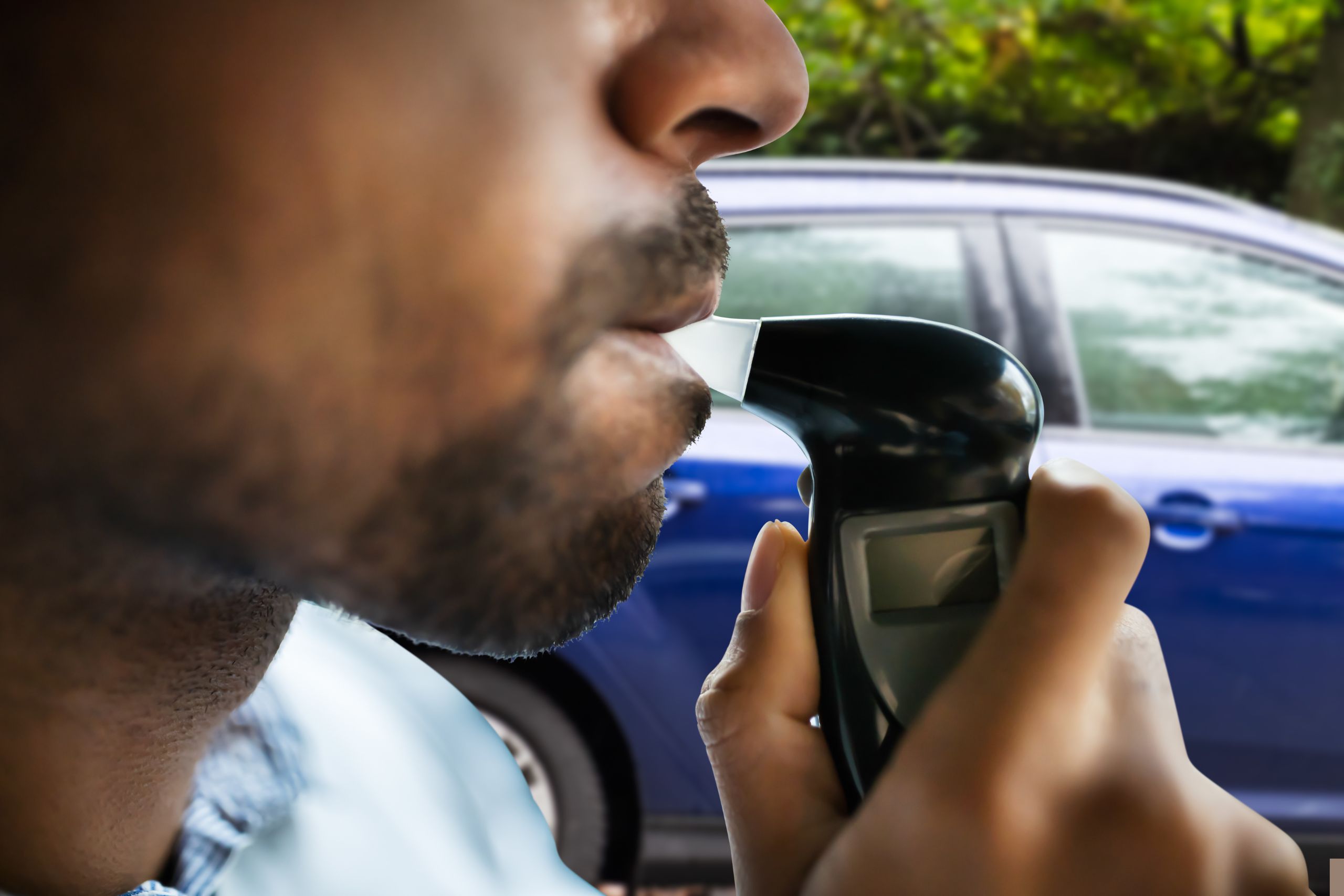
What the Statute Actually Says
Trenton’s Law, codified at Chapter 2025-121, Laws of Florida, amended two provisions of the Florida Traffic Control Law. It rewrote the implied consent warnings in Section 316.1932, Florida Statutes, and it expanded the refusal offense in Section 316.1939.
Under Florida Statute Section 316.1939(1)(e), a driver who refuses testing after being properly informed of the consequences commits a second degree misdemeanor for a first refusal. A second or subsequent refusal remains a first degree misdemeanor. The penalties come from Sections 775.082 and 775.083. A second degree misdemeanor carries up to 60 days in jail and a $500 fine. A first-degree misdemeanor carries up to one year in jail and a $1,000 fine.
The refusal provision drew the most attention, but it was not the only change. Trenton’s Law also reclassified a second or subsequent conviction for DUI manslaughter or vehicular homicide from a second-degree felony to a first degree felony. The maximum sentence for those repeat offenses jumped from 15 years to 30 years in state prison.
The Old Refusal Strategy Carries a New Price
For decades, drivers heard the same informal advice from DUI defense attorneys: Do not blow. The reasoning was simple. A breath result above 0.08 hands the State a number, and a number is easier to prove than an officer’s impressions of bloodshot eyes and slurred speech.
That calculation has changed. A refusal still deprives the State of a chemical result. It also gives the State a separate charge with its own elements, its own penalties, and its own conviction. Prosecutors now file both counts and negotiate them together. A driver who refuses in the belief that silence protects him often arrives at first appearance facing two crimes instead of one.
Two Cases, Two Tracks, Two Outcomes
Section 316.1939(2) and (3) make the administrative and criminal proceedings independent of each other. The outcome of one does not control the outcome of the other.
The administrative side moves first and moves fast. The suspension periods in Section 316.1932(1)(a) remain unchanged. A first refusal triggers a one-year suspension. A second or subsequent refusal triggers 18 months. A driver has only 10 days from the arrest to request a formal review hearing with the Department of Highway Safety and Motor Vehicles. Missing that deadline forfeits the hearing.
The consequence most drivers fail to anticipate comes at the end. Winning the DUI does not dispose of the refusal charge. A jury can acquit on the DUI count, and the refusal conviction can still stand.
The Warning Requirement Creates the Defense
The statute contains its own pressure point. Section 316.1939(1)(d) requires proof that the driver was informed that refusal constitutes a second-degree misdemeanor, or a first-degree misdemeanor where the driver has a prior refusal suspension. The warning is an element of the offense, not a formality.
Florida agencies knew this. The Florida Law Enforcement Liaison Program worked with the Department of Transportation, the Department of Highway Safety and Motor Vehicles, and the Florida Impaired Driving Coalition to issue new statewide implied consent forms and refusal affidavits for use beginning October 1, 2025. Officers still read from outdated cards. They still paraphrase. They still request a test before an arrest has been made, which matters because the request must follow a lawful arrest supported by probable cause.
Every one of those failures is documented on body camera footage. A Fort Lauderdale DUI defense attorney who obtains that footage early can often show that the officer never delivered the warning the statute requires, and an unwarned refusal will not support a conviction.
What Broward County Drivers Should Know
The offense date controls. Trenton’s Law applies only to conduct occurring on or after October 1, 2025. Arrests before that date fall under the prior version of the statute.
The stakes at a Fort Lauderdale traffic stop are higher than they were two years ago, and the window to protect a driver’s license closes in 10 days. Anyone arrested for DUI or refusal in Broward County should speak with a Fort Lauderdale DUI defense attorney before that clock runs out — ideally as soon as possible after arrest.
Call Fort Lauderdale Criminal Defense Attorney Richard Ansara at (954) 761-4011. Serving Broward County.
More Blog Entries:
The Hardship License Paradox: Florida’s New Ignition Interlock Rules and What They Really Cost You, April 28, 2026, Fort Lauderdale DUI Defense Lawyer Blog
