Articles Tagged with Fort Lauderdale DUI defense lawyer

Florida changed the math of every DUI stop on October 1, 2025. House Bill 687, known as Trenton’s Law, made a first refusal to submit to a lawful breath or urine test a criminal offense. Before that date, a first refusal cost a driver a license. Now it costs a driver a license and creates a second criminal case. Any Fort Lauderdale DUI defense lawyer handling arrests in Broward County has watched prosecutors add the refusal count as a matter of routine since the law took effect.Fort Lauderdale DUI defense lawyer

What the Statute Actually Says

Trenton’s Law, codified at Chapter 2025-121, Laws of Florida, amended two provisions of the Florida Traffic Control Law. It rewrote the implied consent warnings in Section 316.1932, Florida Statutes, and it expanded the refusal offense in Section 316.1939.

Under Florida Statute Section 316.1939(1)(e), a driver who refuses testing after being properly informed of the consequences commits a second degree misdemeanor for a first refusal. A second or subsequent refusal remains a first degree misdemeanor. The penalties come from Sections 775.082 and 775.083. A second degree misdemeanor carries up to 60 days in jail and a $500 fine. A first-degree misdemeanor carries up to one year in jail and a $1,000 fine.

The refusal provision drew the most attention, but it was not the only change. Trenton’s Law also reclassified a second or subsequent conviction for DUI manslaughter or vehicular homicide from a second-degree felony to a first degree felony. The maximum sentence for those repeat offenses jumped from 15 years to 30 years in state prison. Continue reading

A DUI arrest is stressful for anyone. For people whose paycheck depends on a license, it can feel like the ground is shifting under their feet. In South Florida, where commercial drivers and healthcare workers fill the roads and hospitals, a single bad decision behind the wheel can reach far past the courtroom. Understanding that reach early, with help from a Fort Lauderdale DUI attorney, often makes the difference between a setback and a lost career.Fort Lauderdale DUI defense professional license

The Criminal Case Is Only the Beginning

Florida’s DUI law, Section 316.193 of the Florida Statutes, sets the baseline penalties: fines, possible jail, license revocation, probation, DUI school, and an ignition interlock device for many drivers. A first conviction can bring a fine of up to $1,000 and up to six months in jail. Those penalties are serious on their own. For a licensed professional, though, they are only the opening chapter. A second, parallel process plays out in front of a licensing board or a state agency, and that process follows its own rules.

CDL Holders: A Higher Standard and Higher Stakes

Commercial drivers carry a heavier burden. While ordinary motorists are measured against a 0.08 blood alcohol limit, a CDL holder operating a commercial vehicle can be charged at 0.04. Worse, the consequences attach even when the arrest happens in a personal car on a day off.

Under Section 322.61 of the Florida Statutes, a first DUI conviction disqualifies a person from operating a commercial vehicle for one year. If the driver was hauling hazardous materials, that period climbs to three years. A second DUI conviction means a lifetime disqualification. Florida offers no hardship CDL to bridge the gap, so for many drivers a conviction lands the same way a pink slip does. Acting fast to challenge the stop, the testing, and the charge itself is critical.

Nurses and the 30-Day Clock

Continue reading

Getting arrested for DUI in Fort Lauderdale can be overwhelming, frightening, and confusing. In the hours and days following your arrest, the decisions you make can dramatically impact the outcome of your case. Unfortunately, some people unknowingly sabotage their own defense by making critical mistakes that increase their risk of conviction and lead to harsher penalties.Fort Lauderdale DUI defense lawyer

As an experienced Fort Lauderdale DUI defense lawyer, I’ve seen cases where defendants’ actions after their arrest made an already challenging situation significantly worse. Understanding these common pitfalls and how to avoid them is crucial for protecting your rights and preserving your defense options.

The Stakes Are Higher Than You Think

Before diving into specific mistakes, it’s important to understand what you’re facing. A DUI conviction in Florida carries serious consequences including license suspension, hefty fines, mandatory DUI school, community service, possible jail time, and a permanent criminal record. These penalties only increase with subsequent offenses or aggravating circumstances. Every action you take after your arrest can either help or hurt your case.

Mistake #1: Talking Too Much to Police After Arrest

One of the most damaging mistakes people make is continuing to speak with law enforcement after their arrest (or even before). Many defendants feel compelled to explain themselves, apologize, or provide additional details about their evening. This urge to “set the record straight” nearly always backfires.

  • How This Impacts Your Case. Anything you say can and will be used against you in court. Police officers are trained to ask questions that may seem casual but are designed to elicit incriminating responses. Even seemingly innocent statements like, “I only had two drinks” or, “I was coming from dinner” can be twisted to support the prosecution’s case. A skilled criminal defense attorney knows that these statements often provide prosecutors with ammunition they wouldn’t otherwise have.
  • The Better Approach. Exercise your right to remain silent. Politely state that you wish to speak with a Fort Lauderdale DUI defense lawyer before answering any questions. This isn’t an admission of guilt; it’s a constitutional right designed to protect you.

Mistake #2: Failing to Request an Administrative Hearing

Florida law requires that you request an administrative hearing within 10 days of your DUI arrest to challenge your license suspension. This hearing is separate from your criminal case and provides an opportunity to potentially save your driving privileges.

  • How This Impacts Your Case. Missing this 10-day deadline results in an automatic license suspension. You lose the opportunity to challenge the suspension and may face months without driving privileges. This can severely impact your ability to work, attend court hearings, and meet with your criminal defense attorney. Additionally, failing to request this hearing eliminates valuable discovery opportunities that could benefit your criminal case.
  • The Better Approach. Contact an experienced Fort Lauderdale DUI defense lawyer immediately after your arrest. An attorney can request this hearing on your behalf and use it strategically to gather evidence for your criminal defense.

Mistake #3: Hiring the Wrong Attorney or Trying to Handle It Yourself

Some people make the costly mistake of either representing themselves or hiring an attorney who lacks specific DUI experience. DUI law is highly specialized, with complex procedural requirements, scientific evidence issues, and constantly evolving legal standards.

  • How This Impacts Your Case. General practitioners or inexperienced attorneys may miss crucial defense strategies, fail to properly challenge evidence, or overlook procedural violations that could result in case dismissal. Self-representation is even more dangerous, as prosecutors are skilled at taking advantage of unrepresented defendants. You’re essentially bringing a knife to a gunfight.
  • The Better Approach. Hire a Fort Lauderdale DUI defense lawyer who specializes in DUI cases and has extensive experience with local courts, prosecutors, and judges. An experienced criminal defense attorney will know how to challenge breath test results, field sobriety tests, and police procedures while building the strongest possible defense.

Mistake #4: Ignoring Court Dates and Deadlines

Continue reading

Driving under the influence (DUI) is already a serious offense in Fort Lauderdale. But when a minor is in the vehicle, the consequences become far more severe. Prosecutors in Fort Lauderdale and across Florida aggressively pursue these cases, often seeking enhanced penalties and additional charges beyond a standard DUI. The presence of a minor in the car suggests an increased risk to public safety, making the offense more likely to be prosecuted to the fullest extent of the law.Fort Lauderdale DUI arrest child in car

For those facing DUI with a minor in the car, it is crucial to understand how Florida law handles these cases, what additional penalties you could face, and how a skilled Fort Lauderdale DUI criminal defense lawyer can help protect your rights.

Florida Laws on DUI With a Minor in the Car

Florida’s DUI Statute – F.S. 316.193

Under Florida Statute 316.193, a person commits DUI if they:

  • Operate or are in actual physical control of a vehicle while under the influence of alcohol or drugs to the extent that their normal faculties are impaired, OR
  • Have a blood alcohol concentration (BAC) of 0.08% or higher.

For a first-time DUI offense, penalties typically include fines, probation, community service, a license suspension, and potentially jail time. However, when a minor (anyone under 18) is in the vehicle at the time of the arrest, enhanced penalties apply.

Enhanced Penalties for DUI With a Minor in the Car

Florida law specifically enhances DUI penalties under F.S. 316.193(4) when a child is present in the vehicle. If convicted:

  • The fine is doubled:

    • First offense: Minimum $1,000 fine (instead of $500).
    • Second offense: Minimum $2,000 fine (instead of $1,000).
    • Third offense (within 10 years): Felony DUI, carrying up to five years in prison.
  • Increased jail time:

    • A mandatory sentence of up to 9 months for a first offense (instead of 6 months).
    • A second offense carries up to 12 months in jail.
  • Mandatory ignition interlock device (IID) for at least 6 months.

  • Additional probation and community service requirements.

In severe cases—such as when the DUI results in an accident, injury, or reckless driving—prosecutors may pursue felony charges under Florida’s aggravated DUI laws.

Does Having Multiple Minors in the Car Make a Difference?

Yes. If multiple minors are in the vehicle, the prosecution may argue that each child is a separate victim, potentially leading to multiple counts of DUI child endangerment. Additionally, the totality of circumstances—such as the children’s ages, road conditions, and the driver’s BAC level—can influence sentencing. In some cases, having multiple minors in the car can elevate the offense to a felony rather than a misdemeanor.

Additional Non-Criminal Consequences

A conviction for DUI with a minor in the car can have life-changing consequences beyond criminal penalties. These include:

Child Custody and Family Law Implications

If you are involved in a child custody dispute, a DUI with a minor in the vehicle can be used against you in family court.

Under Florida law, judges make custody decisions based on the best interests of the child (F.S. 61.13). A DUI conviction involving a minor can be viewed as child endangerment, potentially leading to:

  • Loss of custody or visitation rights
  • Supervised visitation orders
  • Parental fitness evaluations

In severe cases, the Florida Department of Children and Families (DCF) may even initiate an investigation, which could result in temporary or permanent loss of parental rights.

Professional and Employment Consequenceschild in car DUI Fort Lauderdale

Many employers conduct background checks, and a DUI conviction—especially one involving child endangerment—can result in job loss, particularly for individuals in:

  • Education and childcare
  • Healthcare
  • Commercial driving
  • Law enforcement or government positions

Additionally, professional licensing boards may revoke or suspend a person’s ability to practice in certain fields, such as medicine, law, and aviation.

Auto Insurance Rate Increases

A DUI conviction will result in a dramatic increase in auto insurance premiums, often by hundreds or even thousands of dollars per year. Some insurance providers may cancel your policy altogether after a conviction involving DUI with a minor in the car.

Potential Defenses to DUI With a Minor in the Car

Continue reading

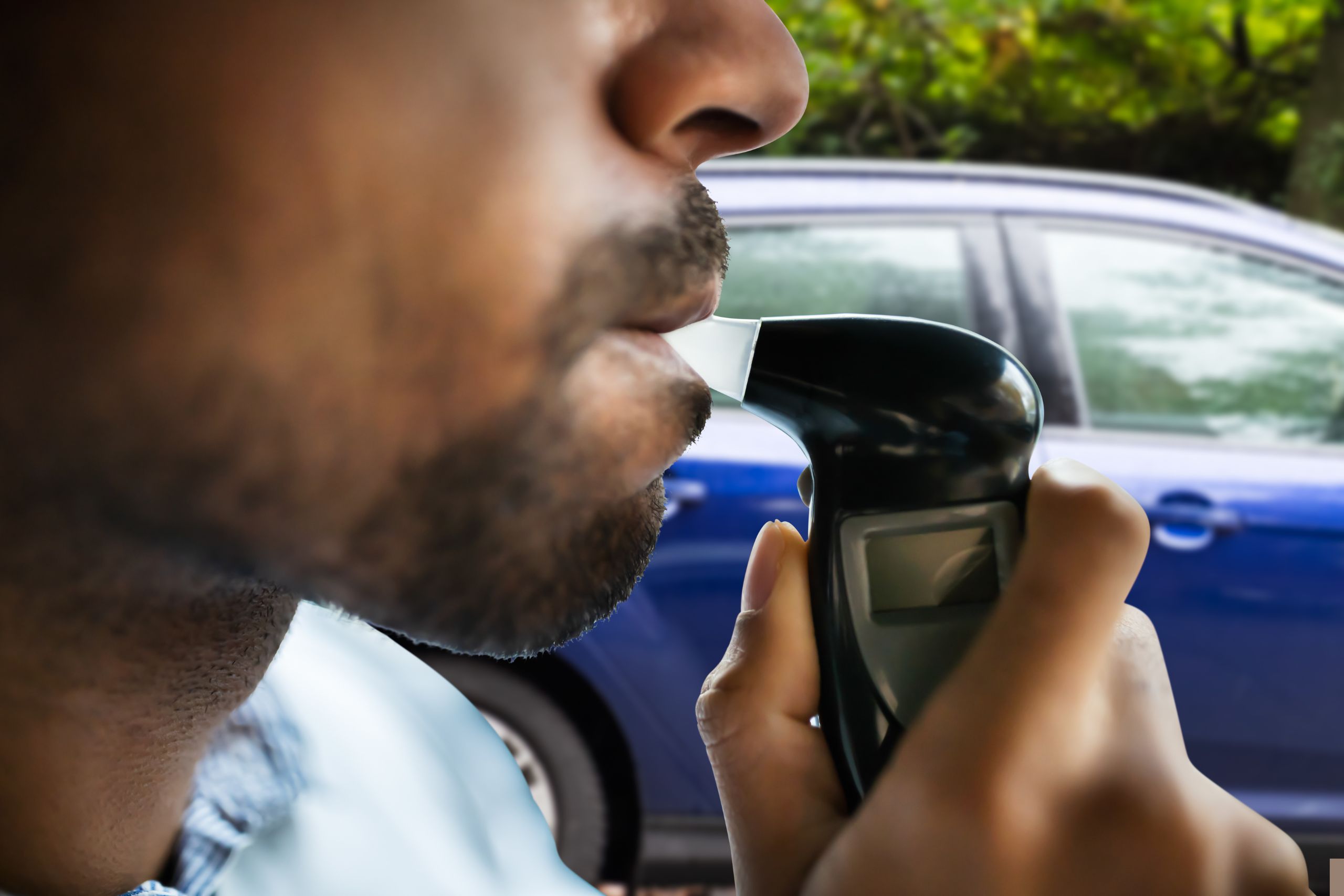
If you’ve been pulled over for suspected driving under the influence (DUI) in Florida, one of the most critical moments may come when an officer requests that you take a breathalyzer test. This seemingly simple request carries significant legal weight because of Florida’s implied consent law. Refusing to submit to a breath test has both immediate and long-term consequences, and understanding the pros, cons, and legal implications of such a refusal is crucial.Fort Lauderdale criminal defense lawyer

As an experienced Broward County criminal defense lawyer, I’ll provide an in-depth look into Florida’s implied consent laws, discuss the penalties for refusal, and explain whether there are circumstances in which refusal might work to a defendant’s advantage.

(Note: This following should not be considered legal advice. To know which actions are most advisable in your case, you should always talk to the criminal defense attorney who is representing you.)

What Are Florida’s Implied Consent Laws?

Under Florida Statute §316.1932, by obtaining a driver’s license, you automatically consent to submit to chemical tests of your breath, blood, or urine if law enforcement has probable cause to believe you are driving under the influence. This is known as the state’s implied consent law.

If you refuse to take a breathalyzer test after being lawfully arrested for DUI, you’re effectively violating this implied agreement, which triggers an automatic administrative penalty and other potential legal consequences.

The Florida Supreme Court affirmed the constitutionality of implied consent laws in their 1980 ruling in the case of State v. Bender, where it was underscored that driving is a privilege, not a right. Other precedent-setting cases have held that compelling someone to submit to a breathalyzer test when there is probable cause to believe they’re driving impaired does not violate the Fifth Amendment constitutional right to protect against self-incrimination.

Consequences of Refusing a Breathalyzer Test

Administrative Penalties

Refusing a breathalyzer test in Florida results in an automatic suspension of your driver’s license:

  • First refusal: A one-year suspension.
  • Second or subsequent refusals: An 18-month suspension and possible misdemeanor charges for repeat refusal.

The suspension is enforced by the Florida Department of Highway Safety and Motor Vehicles (FLHSMV), independent of any criminal DUI case.

Use of Refusal as Evidence in Court

One of the most critical legal implications is that your refusal can be used as evidence against you in court. Prosecutors will likely argue that refusal indicates consciousness of guilt—that you declined the test because you knew you were intoxicated. This can be a powerful narrative for a jury, even if there’s no direct evidence of your blood alcohol content (BAC).

Potential for Increased DUI Penalties

If you’re ultimately convicted of DUI after refusing a breath test, you may face harsher penalties. For instance, refusal may disqualify you from certain diversion programs or result in more severe sentencing.

Possible Pros of Refusing a Breathalyzer Test

Despite the serious consequences, some defendants see benefits in refusing a breathalyzer test. Continue reading

Field sobriety tests (FSTs) are a common tool used by Fort Lauderdale law enforcement officers to determine whether a driver is impaired. These tests are often administered roadside after an officer pulls over a driver they suspect of driving under the influence (DUI). However, the accuracy and reliability of these tests are not as solid as they may seem. As a Fort Lauderdale criminal defense lawyer, I see firsthand the limitations of FSTs, which can be affected by numerous factors unrelated to alcohol. Understanding these limitations and possible defense strategies can be crucial to protecting your rights if you’re facing a DUI charge based on field sobriety test results.Fort Lauderdale field sobriety tests

Types of Field Sobriety Tests

There are three main types of standardized field sobriety tests that Fort Lauderdale officers use, which were developed by the National Highway Traffic Safety Administration (NHTSA):

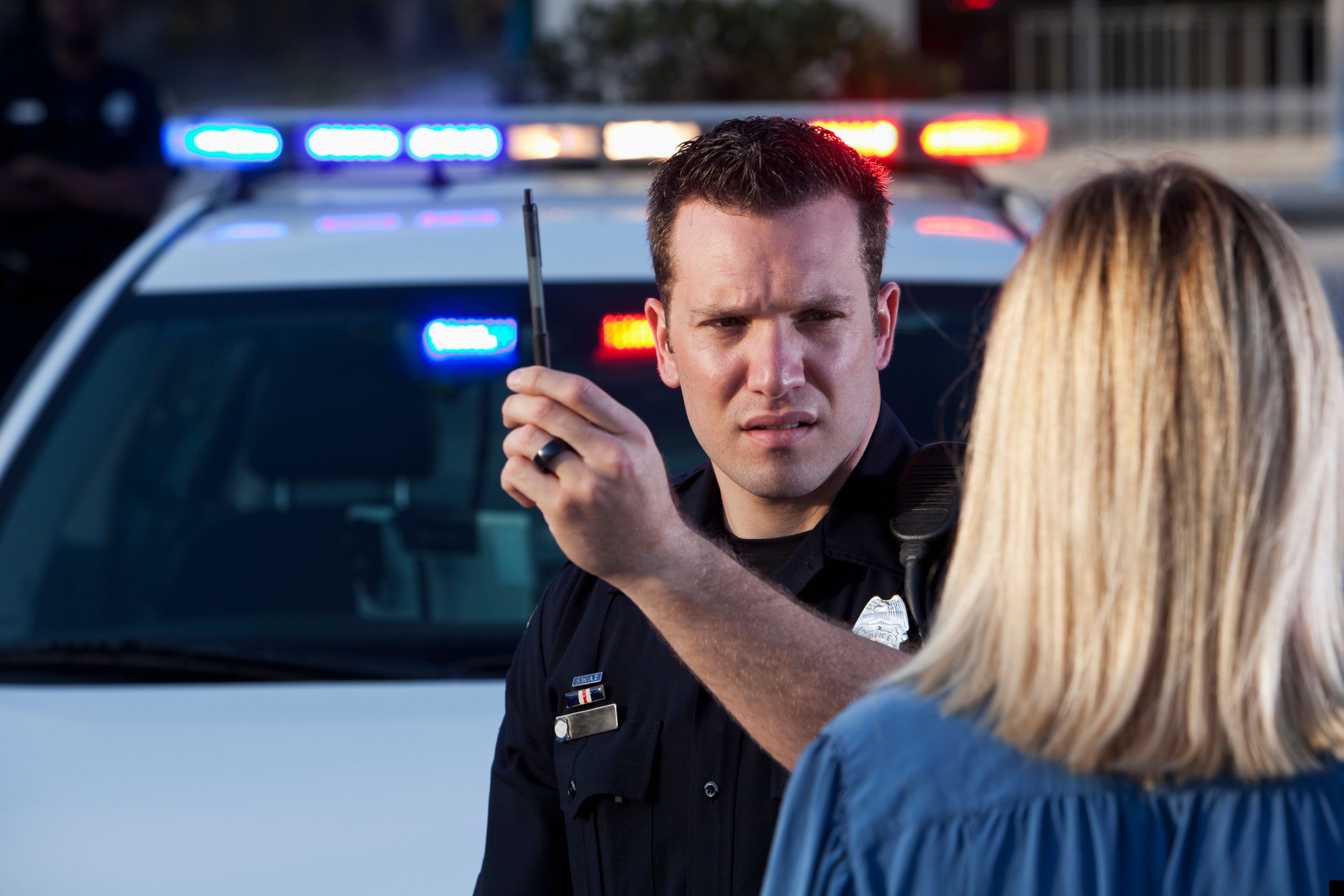
  1. Horizontal Gaze Nystagmus (HGN) – During this test, the officer asks the driver to follow a small object, like a pen, with their eyes. The officer looks for involuntary jerking of the eyes, which is believed to be more pronounced when someone is under the influence of alcohol.
  2. Walk-and-Turn Test – This test requires the driver to take nine steps, heel-to-toe, along a straight line, turn, and walk back in the same manner. The officer observes for signs of impairment, such as losing balance, missing steps, or failing to follow instructions.
  3. One-Leg Stand Test – Here, the driver must stand on one leg with the other about six inches off the ground while counting aloud. The officer watches for indicators of impairment, such as swaying, using arms for balance, or putting the foot down.

Limitations and Inaccuracy of Field Sobriety Tests

Field sobriety tests are subjective and can often yield inaccurate results. While these tests may be standardized, they are still susceptible to human error, environmental factors, and the physical condition of the driver.

Some common limitations and inaccuracies that can arise:

  • Physical and Medical Conditions: Certain medical conditions, such as inner ear disorders, neurological issues, or physical injuries, can mimic signs of impairment, leading to inaccurate results. For example, someone with vertigo may struggle with balance during the one-leg stand test, even if they are not impaired.
  • Environmental Factors: Uneven road surfaces, weather conditions, poor lighting, and nearby traffic can all affect the accuracy of field sobriety tests. If the walk-and-turn test is performed on an uneven surface, a sober person may have difficulty maintaining their balance.
  • Officer Interpretation: FSTs rely heavily on an officer’s interpretation of the driver’s performance. Officers may unintentionally misinterpret a driver’s actions, particularly if they expect impairment. Small errors, like missing a step or swaying slightly, may be noted as signs of intoxication even when they aren’t.

In the landmark case of State v. Taylor, 648 So. 2d 701 (Fla. 1995), the Florida Supreme Court recognized that field sobriety tests are not scientifically reliable for determining intoxication and that these tests must be corroborated by other evidence to hold up in court. This case underscores that FSTs alone do not definitively prove impairment and may be challenged in a South Florida courtroom.

Defense Strategies for Challenging Field Sobriety Tests

An experienced criminal defense attorney in Fort Lauderdale can employ a variety of strategies to challenge field sobriety test results in DUI cases.

Some common criminal defense strategies: Continue reading

Facing a Fort Lauderdale DUI charge can be an overwhelming experience. But it’s important to remember that an arrest doesn’t necessarily mean conviction. In Florida, DUI charges are serious, with potentially life-altering consequences that include hefty fines, license suspension, and even jail time. However, there are ways to fight these charges. Working with an experienced Fort Lauderdale criminal defense attorney can open up several defense strategies that may lead to reduced charges—or even a dismissal.Fort Lauderdale DUI lawyers

Here’s a look at some common and effective DUI defense strategies in Fort Lauderdale and how they might apply to your case.

1. Challenging Field Sobriety Tests

Field sobriety tests, which typically include the “walk-and-turn,” “one-leg stand,” and “horizontal gaze nystagmus” (eye movement test), are often administered by a deputy or police officer at the scene of a DUI stop. These tests are supposed to help law enforcement officers gauge whether someone is under the influence. But they are far from foolproof. In fact, many factors unrelated to alcohol consumption can influence performance on these tests, such as anxiety, fatigue, weather conditions, and physical limitations.

For example, in the case of State v. Bastos, 985 So. 2d 37 (Fla. 2008), the court acknowledged that field sobriety test results could be questioned if the testing environment was compromised or the instructions were unclear. If an attorney can demonstrate that the test was improperly administered, or that external factors made the results unreliable, these test results might be deemed inadmissible in court. An experienced Fort Lauderdale DUI lawyer can thoroughly investigate how the test was conducted and whether it was fair.

2. Questioning Breathalyzer Accuracy and Reliability

Breathalyzer tests are a cornerstone of DUI evidence, but these machines aren’t infallible. Factors such as calibration, operator error, and even the defendant’s physiological conditions (like acid reflux or certain medical conditions) can all impact the reliability of breath test results.

In Robertson v. State, 604 So. 2d 783 (Fla. 1992), the Florida Supreme Court recognized that breathalyzer devices require strict maintenance and calibration to provide accurate readings. Florida law mandates regular calibration of breathalyzer devices under stringent guidelines. An attorney skilled in DUI cases can investigate whether the device used in your case was properly maintained and calibrated. If the breathalyzer wasn’t correctly calibrated or maintained, the attorney can file a motion to exclude the results from evidence, which may significantly weaken the prosecution’s case. Continue reading

A Fort Lauderdale DUI arrest has the potential to do more than halt your driving privileges. It can result in jail time, major fines, and close the door to many opportunities – including those years down the road that may not even be on your radar yet. It can be tough to wrap your mind around the fact that one mistake made in a moment of poor judgment can have such a serious and lasting impact – but it’s true. The best way to minimize a negative outcome and long-term implications (some of which you may not have even realized existed) is to hire a Fort Lauderdale DUI defense attorney. Fort Lauderdale DUI defense lawyer

While driving impaired is often a one-time error for a lot of people, it’s something police in Broward County come across a fair amount. According to the Florida Department of Law Enforcement (FDLE), there are roughly 1,300 DUI arrests in Broward in an average year. Along with assaults, drug arrests, and theft, it’s among the top 5 most common criminal charges filed in Broward County.

Florida DUI Statutes

F.S. 316.193 is the primary Florida DUI statute. It spells out the criteria for determining driver impairment and the potential penalties.

One of the first things people want to know after a DUI arrest is, “Am I going to jail?” The answer is, “Probably yes, at least for booking. But how long you stay there – and the seriousness of the other penalties you face thereafter – depends on a number of factors that are going to be specific to your case.”

If it’s your first offense, you’re over the age of 21, don’t have a BAC of 0.15% or higher and you didn’t cause an accident, hurt anyone, or have a child under 18 in the car, you’re most likely facing a second-degree misdemeanor. You’ll be looking at fines ranging from $500 to $1,000, up to 6 months in jail, up to 1 year of probation, 50 hours of community service, vehicle impoundment, possible interlock ignition mandate, and completion of a DUI substance abuse course. Continue reading

In a single recent year, there were nearly 1,300 DUI arrests in Broward County, according to the Florida Department of Law Enforcement. If you’re one of those who has been arrested for driving under the influence in South Florida, there are many strategies that an experienced Fort Lauderdale DUI lawyer may employ to help you successfully challenge the charges.Fort Lauderdale DUI lawyer

Of course, it always comes down to the unique circumstances – and these should be discussed with your defense lawyer as soon as possible after an arrest.

That said, some of the approaches we find often gaining traction with impaired driving cases in particular include:

As long-time Fort Lauderdale DUI defense attorneys, we’ve encountered plenty of cases where defendants were arrested for drunk driving on America’s birthday (July 4th), around the holiday recognized for Jesus Christ’s birth (Dec. 25th) and of course the birth of each new year (Jan. 1st). Still, there is one holiday that sometimes gets overlooked as one accompanied by a seemingly higher risk of DUI arrest: Your own birthday.Fort Lauderdale DUI defense lawyer

Studies (including one published in the Journal of Consulting and Clinical Psychology) have shown binge drinking is especially common on one’s 21st birthday, though the research didn’t specifically indicate this directly correlated with an uptick in drunk driving for celebrants. (It should be noted that if you are out celebrating your 21st birthday and are stopped prior to midnight on your actual birth date, the threshold for intoxication is far more stringent, the legal limit being 0.02 blood-alcohol concentration versus 0.08.)

Recently, R&B singer Marcus Cooper, Florida native, member of the hip-hop group Pretty Ricky and reality show cast Love & Hip Hop: Miami, made headlines for a recent birthday DUI arrest in Miami Beach. Vibe Magazine reported a Miami Beach police officer clocked Cooper’s SUV speed at 100 mph in a 45 mph lane around 3:45 a.m. The officer alleged he witnessed the driver, later identified as Cooper, swerving and coming dangerously close to a collision with another vehicle. Interestingly despite this account, the officer officially cited the dark tint on the vehicle’s windows as the reasonable cause for initiating the traffic stop. The singer agreed to undergo a field sobriety test (which, side note, is not required by state law the way chemical alcohol and drug testing is under F.S. 316.1932, Florida’s implied consent statute). The officer reported the singer’s bloodshot eyes, slurred speech and comment that he’d been “partying for his birthday.” Defendant allegedly blew more than twice the legal adult driver alcohol limit of 0.08. The officer further alleged resistance and threats to phone a few famous friends. In an Instagram video (later deleted), Cooper lamented his 38th birthday was ruined and denied the charges, which in addition to DUI include resisting arrest without violence, reckless driving and driving with a suspended license.   Continue reading

Contact Information