 Fort Lauderdale Criminal Attorney Blog


Fort Lauderdale domestic violence defense often involves a second fight that starts after the arrest. A person charged with domestic battery goes home, or calls from the Broward County jail, and reaches out to the alleged victim. Sometimes the goal is to apologize. Sometimes it is to ask the partner to drop the charges. That contact can produce new charges that carry more prison time than the original case. Florida’s witness tampering statute, section 914.22, is the most serious of them.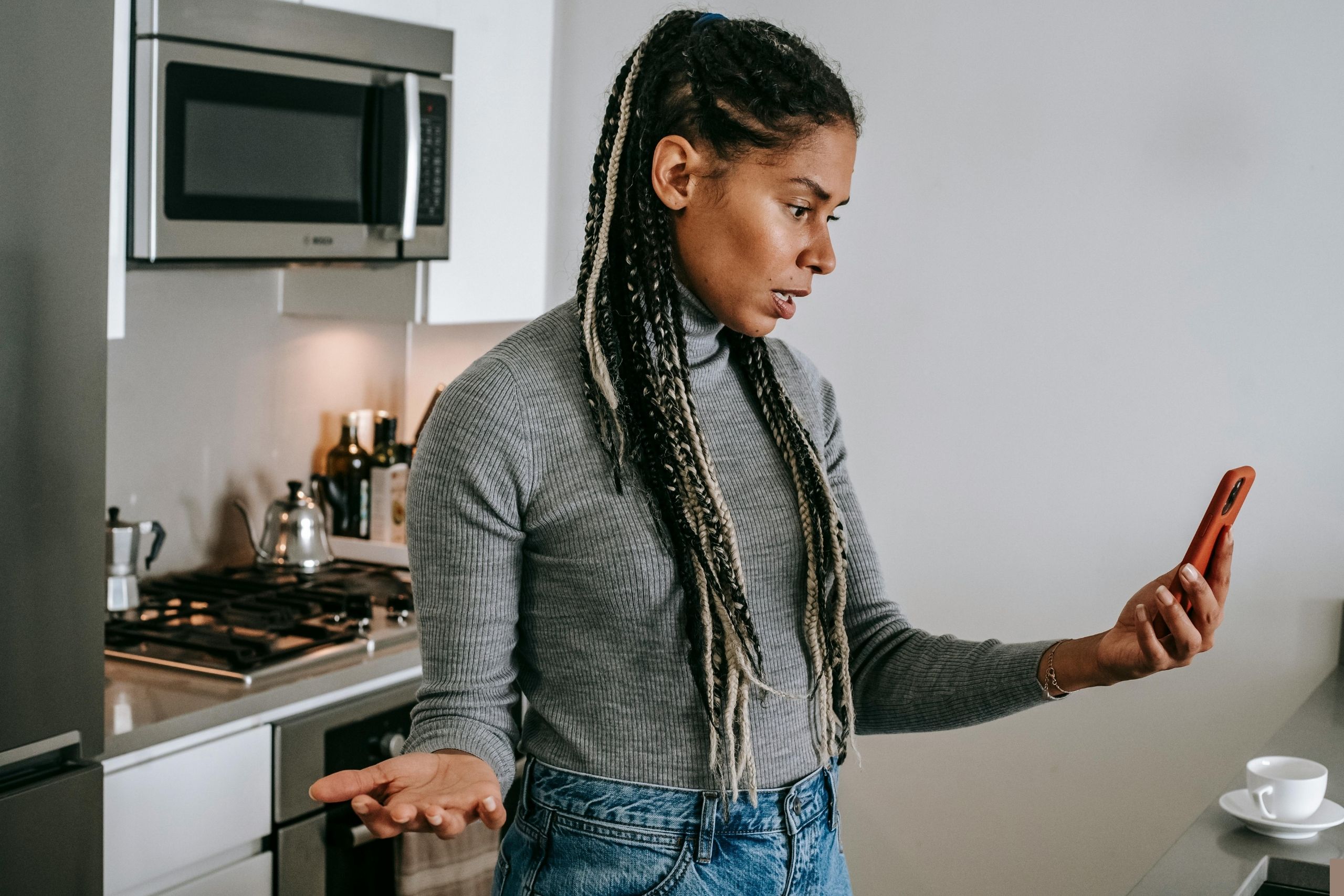
The Alleged Victim Cannot Drop the Charges
Many people accused of domestic violence believe the case ends if the partner changes the story or refuses to cooperate. It does not. The Broward State Attorney’s Office decides whether to prosecute, not the alleged victim. Prosecutors can and do move forward with 911 recordings, body camera footage, photographs, and officer testimony.
That misunderstanding drives a lot of tampering cases. An accused person who thinks the partner controls the outcome has every reason to try to change the partner’s mind. The law treats many of those efforts as crimes.
What Section 914.22 Prohibits
Section 914.22(1) makes it a crime to knowingly use intimidation or physical force, to threaten another person, to engage in misleading conduct toward another person, or to offer another person money or other financial benefit. An attempt to do any of these counts too. The conduct must be aimed at causing a person to do one of six things: withhold testimony or evidence, destroy or conceal evidence, evade a subpoena, skip a court proceeding they have been summoned to, keep information from police or a judge, or testify falsely.
Two details matter in domestic cases. First, the statute reaches “any person,” not just the alleged victim. Pressure on the partner’s mother, a roommate, or a neighbor who called 911 can support a charge. So can asking a friend to deliver a message. Second, under section 914.22(5), no court case needs to be pending at the time of the contact. A message sent the night of the arrest, before the State files anything, qualifies.
The financial benefit clause catches conduct many people never think of as tampering. An offer to keep paying rent, cover a car payment, or send money for the children if the partner stays home from court can support the charge.
The Penalty Rises With the Original Case
Section 914.22(2) ties the tampering penalty to the seriousness of the case being tampered with, and it always sits one level higher. Tampering in a misdemeanor case is a third-degree felony, punishable by up to five years in prison. Tampering in a third-degree felony case, such as aggravated assault, is a second-degree felony, punishable by up to 15 years. Tampering in a second-degree felony case, such as aggravated battery, is a first-degree felony, punishable by up to 30 years.
A first-offense domestic battery carries up to one year in jail. A single call asking the partner to lie about that battery can carry five years in prison.
Section 914.22(3) creates a lesser but related crime: harassing a witness, victim, or informant. It applies to a person who intentionally harasses someone and thereby hinders, delays, prevents, or dissuades that person from testifying, reporting to police, seeking an arrest, or assisting a prosecution. Harassment in a misdemeanor case is a first-degree misdemeanor. In a third-degree felony case, it is a third-degree felony.
The No-Contact Order Creates Its Own Charge
Tampering is not the only risk. In most Broward County domestic cases, the judge at first appearance orders the accused to have no contact with the alleged victim as a condition of release. Section 903.047 authorizes that condition. Under section 741.29(6), willfully violating a release condition in a domestic case is a first-degree misdemeanor. The statute also requires that the person be held in custody until first appearance.
That charge does not require any threat or any attempt to change testimony. A friendly text, a birthday message, or a call about the children can violate the order. The alleged victim’s consent is not a defense. The order binds the accused, not the partner, and only the judge can change it.
A violation also puts your freedom at risk. Prosecutors can move to revoke bond on the original case, leaving the accused in jail until trial.
Civil injunctions carry similar exposure, and the Legislature raised the stakes this year. HB 277, effective July 1, 2026, lowered the threshold for a felony injunction violation. A person with one prior conviction for violating an injunction now faces a third-degree felony for the next violation. The old rule required two.
Why Prosecutors Listen So Closely
Calls from the Broward County jail are recorded, and prosecutors review them. Texts, social media messages, and voicemails are easy to preserve and easy to put in front of a jury.
Research has shaped how prosecutors listen. A peer-reviewed study published in Social Science & Medicine in 2011 analyzed recorded jail calls between 25 couples in which the man was held on felony domestic violence charges. The researchers found that recantation was driven less by open threats than by appeals to sympathy and efforts to minimize what happened. The authors described those patterns as witness tampering. Prosecutors and victim advocates now use that research in training. The result is that calls built on apology, pleading, and talk of how hard jail is get the same scrutiny as calls built on threats.
Contact Can Also Cost the Accused the Right to Confront the Witness
The damage goes beyond new charges. The Sixth Amendment gives an accused person the right to confront the witnesses against him. That right usually keeps an absent witness’s out-of-court statements away from the jury.
The U.S. Supreme Court has recognized an exception. In Davis v. Washington, 547 U.S. 813 (2006), the Court noted that domestic violence cases are especially vulnerable to intimidation and coercion of the victim. The Court held that a person who obtains a witness’s absence through wrongdoing forfeits the right to confront that witness. Giles v. California, 554 U.S. 353 (2008), clarified that the doctrine applies when the accused intended to keep the witness from testifying.
In practice, that means a partner who stays away from trial after pressure from the accused can still be heard. The partner’s statements to police may come in anyway. The contact meant to weaken the State’s case can end up strengthening it.
Defenses to Tampering Charges
Section 914.22 does not criminalize every conversation. The State must prove the accused acted knowingly and used one of the methods the statute lists: intimidation, force, a threat, misleading conduct, or an offer of benefit. The State must also prove the accused intended to cause one of the listed results. Section 914.21 defines misleading conduct narrowly, and ordinary conversation between partners may not fit it.
An apology is not an attempt to change testimony. A conversation about the children, the house, or money may violate a no-contact order without meeting the elements of tampering. Context matters. A single text pulled out of a long exchange can look far worse than the full thread. The State must also prove who actually sent the message and that it was not altered.
The alleged victim’s own choices are also relevant. A partner who initiates contact, or who independently decides not to cooperate, does not turn the accused into a witness tamperer. Important to note: Those facts do not excuse a violation of the no-contact order. However, in some cases, they can potentially defeat or mitigate a witness tampering charge.
Every Message Should Go Through Counsel
As a general rule: A person with a pending domestic violence charge should not contact the alleged victim directly, through friends, through family, or through social media. That includes messages that seem harmless.
Needs that require contact, such as parenting schedules, shared bills, or retrieving belongings, have a lawful route. Defense counsel can ask the court to modify the no-contact condition for these purposes. The judge can allow limited contact or set up a third-party exchange, depending on the circumstances. Working with your defense counsel for this communication helps protect you from the risk of further charges simply for trying to communicate on routine matters.
Criminal defense attorney Richard Ansara represents people charged with domestic violence and witness tampering offenses in Fort Lauderdale and throughout Broward County. Anyone arrested on a domestic charge, or accused of contacting a witness, should contact an experienced criminal defense lawyer as soon as possible after arrest – and most definitely before sending another message.
