 Fort Lauderdale Criminal Attorney Blog


A weekend in Fort Lauderdale or Miami can turn into a legal nightmare that follows you all the way home. Here’s what you need to know, and why acting fast with a Fort Lauderdale DUI lawyer can make a world of difference. 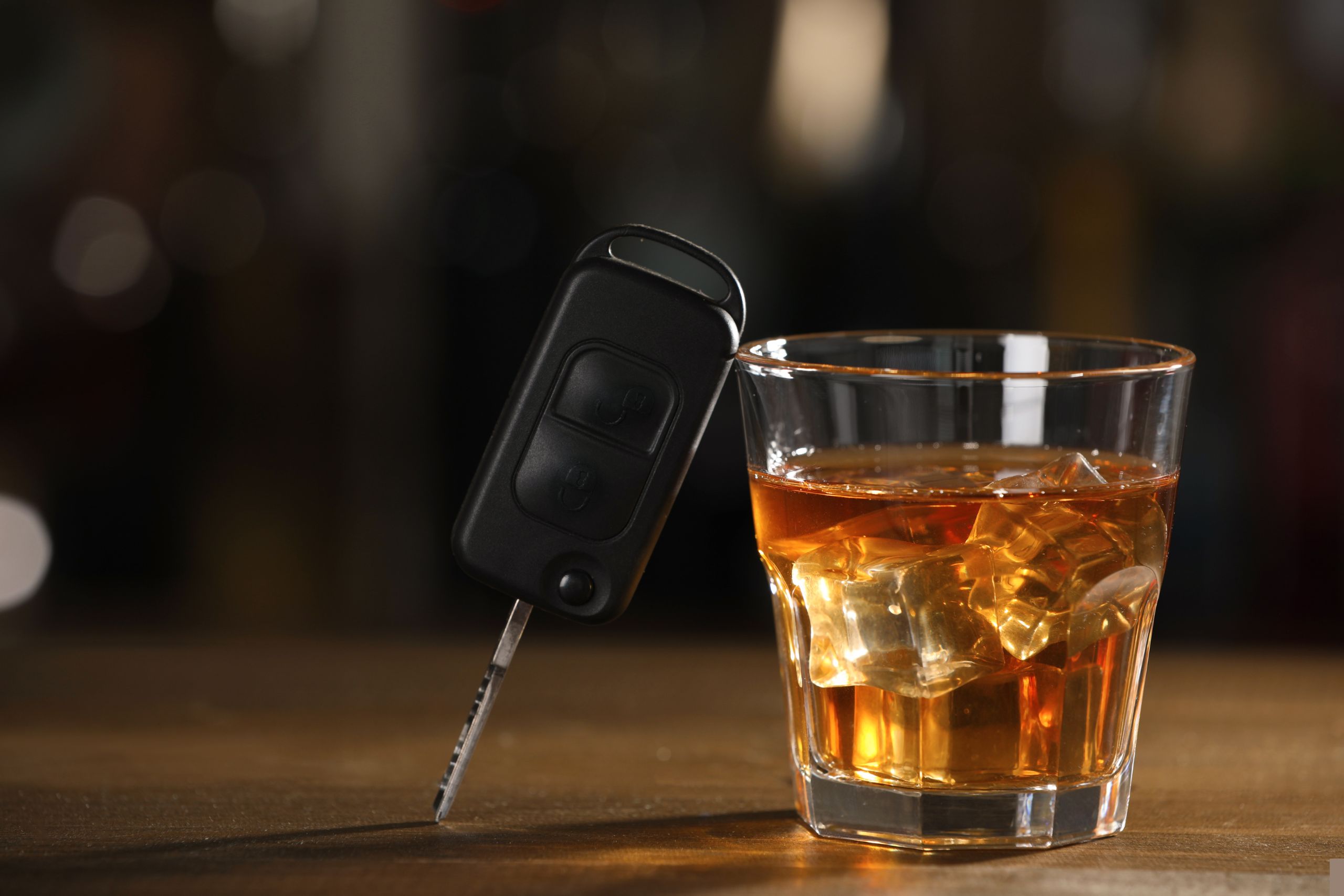
Fort Lauderdale is one of the most visited destinations in the United States. Millions of tourists, business travelers, and convention-goers pour into Broward County every year. Most leave with memories. Some leave with something far more complicated: a DUI arrest hanging over their head as they board a plane home.
If you’re reading this from a hotel room in Fort Lauderdale (or from your living room back in Ohio, Texas, or New York, still shaken from last weekend) this is for you. As a Fort Lauderdale DUI lawyer who handles cases for out-of-state visitors and business travelers, we see this situation constantly. And the good news is: it’s far more manageable than it feels right now.
Let’s walk through what you’re actually facing, what Florida law means for your home state’s license, and exactly how a local attorney can fight for you — potentially without you ever needing to come back.
Why a Florida DUI Is Not a “Local Problem”
One of the most dangerous misconceptions out-of-state drivers have is thinking that a DUI in Florida only affects them in Florida. “I don’t even live there,” people say. “I’ll just deal with it from home.” This line of thinking can cost you your license, and in some states, your career.
The reality is rooted in an interstate agreement called the Driver License Compact (DLC) — and if you’re a licensed driver in almost any U.S. state, you’re bound by it.
🔗The Driver License Compact: How It Works
The DLC is an interstate agreement signed by 45 states (all except Georgia, Massachusetts, Michigan, Tennessee, and Wisconsin). Under its “one driver, one license, one record” principle, states agree to share traffic violation and DUI conviction data with each other.
Here’s the flow:
Your home state is required to treat a Florida DUI conviction as if it happened in your own state — applying the same penalties your state would for a local DUI offense.
This means a conviction in Broward County courtroom can result in your driver’s license being suspended in New Jersey, California, Illinois, or wherever you call home. It can appear on background checks. It can affect professional licenses. And in some professions (such as commercial drivers, pilots, healthcare workers, lawyers) a DUI conviction triggers mandatory reporting requirements that can threaten your career entirely.
The stakes of an out-of-state DUI in Florida are not smaller because you were far from home. In many ways, they’re higher.
The 10-Day Clock: Your Most Urgent Priority
When a Florida law enforcement officer arrests you for DUI and your blood alcohol level tests at .08 or above (or you refuse a breath test), they will immediately confiscate your physical driver’s license and issue you a temporary paper permit. This permit is valid for only 10 days.
Within those 10 days, you or your attorney must request a Formal Review Hearing with the Florida Department of Highway Safety and Motor Vehicles (FLHSMV). If no hearing is requested, your Florida driving privileges are automatically suspended, and that suspension will be reported to your home state under the DLC.
- Day of Arrest: Your license is confiscated. You receive a DUI citation and a temporary permit valid for 10 days. The clock starts now.
- Within 10 Days: A formal review hearing must be requested. This is separate from your criminal case — it’s an administrative proceeding to fight the license suspension. A local attorney can file this on your behalf from anywhere.
- Within 10 Days (Optional): You can also apply for a hardship license, which may allow limited driving privileges during the proceedings.
- Criminal Arraignment: You’ll receive notice of your arraignment date. Out-of-state defendants are often able to waive their appearance at arraignment when represented by local counsel — meaning you don’t have to book a return flight.
Missing the 10-day window is the single most common and costly mistake out-of-state DUI defendants make. By the time they’ve talked to their family, calmed down, and started looking for lawyers back home, it’s often too late to preserve their driving privileges during the case.
The 10-day window doesn’t care that you live in another state. It doesn’t pause while you’re figuring things out. A local Fort Lauderdale DUI attorney can file your hearing request within hours of your call.
What Happens in Your Home State?
Understanding exactly what gets reported (and when) helps you understand why fighting the Florida case aggressively matters so much.
Florida reports a DUI conviction to your home state, which then applies its own suspension penalties — often equivalent to what it would impose for a local DUI.
A Florida DUI conviction is a criminal offense (misdemeanor or felony) that appears on background checks nationwide, even if you were just visiting.
Your auto insurer in your home state will typically be notified, leading to significantly increased premiums or policy cancellation upon renewal.
Many licensed professions (nursing, law, CDL holders, pilots, financial advisors) have mandatory DUI disclosure requirements that can jeopardize your career.
It’s also important to note what does not transfer automatically: jail time served in Florida stays in Florida. Probation conditions, DUI school requirements, and fines are Florida-specific, though some states require proof of program completion before reinstating driving privileges. A knowledgeable Broward DUI defense lawyer can help you navigate which conditions need to be satisfied and how.
Do You Have to Return to Florida for Your Case?
This is the question we get most often from out-of-state clients, and the answer is: usually not, especially for a first-offense misdemeanor DUI.
Florida law allows attorneys to appear on behalf of their clients at many court proceedings, including arraignments and pre-trial hearings. For out-of-state defendants, this is a significant advantage. Here’s how representation typically works:
⚖️What a Local Fort Lauderdale DUI Lawyer Handles Without You Present
- Filing the formal review hearing request with FLHSMV within the 10-day window
- Appearing at the formal review hearing to challenge the license suspension
- Entering a written plea of not guilty at arraignment (waiving your appearance)
- Filing and arguing pre-trial motions (to suppress breath test results, challenge the traffic stop’s legality, etc.)
- Engaging in plea negotiations with the State Attorney’s office on your behalf
- Attending pre-trial conferences and status hearings
- Communicating all case developments to you remotely, via phone, email, and video
The situations where you may need to return to Broward County are if your case goes to trial, or if the court specifically orders your presence at a hearing. However, a skilled DUI defense attorney will work to resolve cases in the strongest way possible before reaching that point, and will always advise you well in advance if your presence is required.
For many of our out-of-state clients, from first contact through final resolution, they never have to step foot on a Florida courtroom floor.
Florida’s DUI Laws: What You Were Actually Charged With
Florida has some of the toughest DUI enforcement in the country, and if you were arrested in Fort Lauderdale or anywhere in Broward County, it’s worth understanding exactly what you’re facing.
First-Offense DUI (Standard)
A first DUI with a BAC of .08-.14 is typically a first-degree misdemeanor. Penalties can include up to 6 months in jail (though jail is uncommon for first offenses), fines from $500–$1,000, up to 1 year of probation, mandatory DUI school, 50 hours of community service, and a 6–12 month license revocation.
Enhanced Penalties (BAC .15 or Higher)
If your BAC tested at .15 or higher — or if there was a minor in the vehicle — Florida law treats it as an “aggravated” first offense with significantly increased fines (up to $2,000), mandatory ignition interlock device installation, and heightened scrutiny from prosecutors.
Felony DUI
A DUI becomes a third-degree felony if it resulted in serious bodily injury, if it’s a third DUI within 10 years, or if it’s a fourth or subsequent DUI at any time. Felony DUI cases require an entirely different level of defense strategy and almost certainly require your return for hearings.
The key point: these charges are not fixed. Florida’s DUI law contains numerous procedural requirements that must be followed to the letter by law enforcement. Whether the officer had reasonable suspicion to make the traffic stop, whether field sobriety tests were properly administered, whether the breath testing equipment was properly maintained and calibrated — all of these can be challenged, and any weakness in the State’s case can lead to reduced charges or outright dismissal.
Common Defenses in Fort Lauderdale DUI Cases
Many tourist DUI arrests in Fort Lauderdale happen in circumstances that are ripe for legal challenge. High-traffic areas near the beach, Las Olas, or around the port after a cruise can involve rushed traffic stops, fatigued officers, and improperly administered field tests. Common defenses include:
- Illegal traffic stop: If the officer lacked reasonable articulable suspicion to pull you over, all evidence gathered may be suppressed
- Improper field sobriety testing: FSTs must follow NHTSA standardized protocols exactly — deviations can undermine their reliability as evidence
- Breath test instrument issues: The Intoxilyzer 8000 used in Florida has a documented history of calibration and maintenance problems; records must be reviewed
- Mouth alcohol contamination: Certain medical conditions, dental work, acid reflux, and even some foods can produce falsely elevated breath test readings
- Medical or physiological explanations: Conditions such as diabetes, neurological issues, or fatigue can mimic signs of impairment during field sobriety testing
- Rising blood alcohol defense: If your BAC was rising at the time of driving — meaning it was below .08 while behind the wheel but reached .08 by the time of testing — this can be a viable defense
None of these defenses can be evaluated, let alone pursued, without a careful review of your police report, bodycam footage, breath test records, and the full circumstances of your arrest. This is exactly why hiring a local Fort Lauderdale DUI lawyer immediately — before evidence is lost and deadlines pass — is so critical.
Why “Hiring Someone Back Home” Isn’t the Answer
We understand the instinct. When something scary happens far from home, you want to call someone you know and trust. Maybe your family already has a local attorney. Maybe you have a friend who does real estate law and “knows some people.”
The problem is that DUI defense in Florida is highly specialized and deeply local. Broward County courtrooms, prosecutors, and judges operate in specific ways. The State Attorney’s office for the 17th Judicial Circuit has particular practices around plea negotiations and diversion programs. The FLHSMV formal review hearing process follows Florida administrative law. An out-of-state attorney — or a Florida attorney who primarily practices in another area — is unlikely to know these nuances.
Additionally, an out-of-state attorney cannot appear in Florida courts without being admitted pro hac vice (temporarily for a specific case), which adds time, cost, and complexity. You need someone who practices in these courts regularly, knows the local prosecutors, and can walk into a Broward County courtroom without anyone having to explain the system to them.
What to Do Right Now: A Step-by-Step Action Plan
- Stop talking about the arrest.
- Do not discuss the details of your arrest with friends, family, or on social media. Anything you say can be used in court. Preserve your right to remain silent until you’ve spoken with an attorney.
- Gather your paper work.
- Locate your DUI citation, your temporary paper license/permit, and any documents you received at the time of arrest. The citation will contain your arrest date — which starts the 10-day clock.
- Contact a Fort Lauderdale DUI attorney immediately.
- Do not wait until you’ve returned home, consulted with friends, or “calmed down.” The 10-day window is unforgiving. A qualified attorney can be retained by phone and begin protecting your driving privileges the same day.
- Write down everything you remember.
- While the events are fresh, document the details of your stop: where you were coming from, what and how much you consumed, what the officer said and did, whether you performed field sobriety tests, and any details about the breath testing. This information is critical for your attorney’s evaluation.
- Do not contact the court or prosecutor directly.
- Once you have legal representation, all communication should go through your attorney. Attempting to negotiate or explain on your own often hurts your case.
Don’t Let the 10-Day Window Close
If you were arrested for DUI in Fort Lauderdale, the clock is already running. The Ansara Law Firm represents out-of-state drivers throughout Broward County.
Call Fort Lauderdale Criminal Defense Attorney Richard Ansara at (954) 761-4011. Serving Broward County.
