Articles Posted in Firearm Offenses

Fort Lauderdale criminal defense attorneyWhen travelers are arrested for bringing a firearm through security at Fort Lauderdale-Hollywood International Airport (FLL), they often focus solely on the criminal charges they’re facing. What many don’t realize until it’s too late is that they’re actually confronting two separate legal battles: state criminal prosecution under Florida law and substantial federal civil penalties imposed by the Transportation Security Administration (TSA). Understanding this dual threat is essential to mounting an effective defense, and it’s why working with an experienced Fort Lauderdale criminal defense attorney who understands both dimensions of these cases is crucial.

What Happens When You Arrive at Airport Security With a Gun

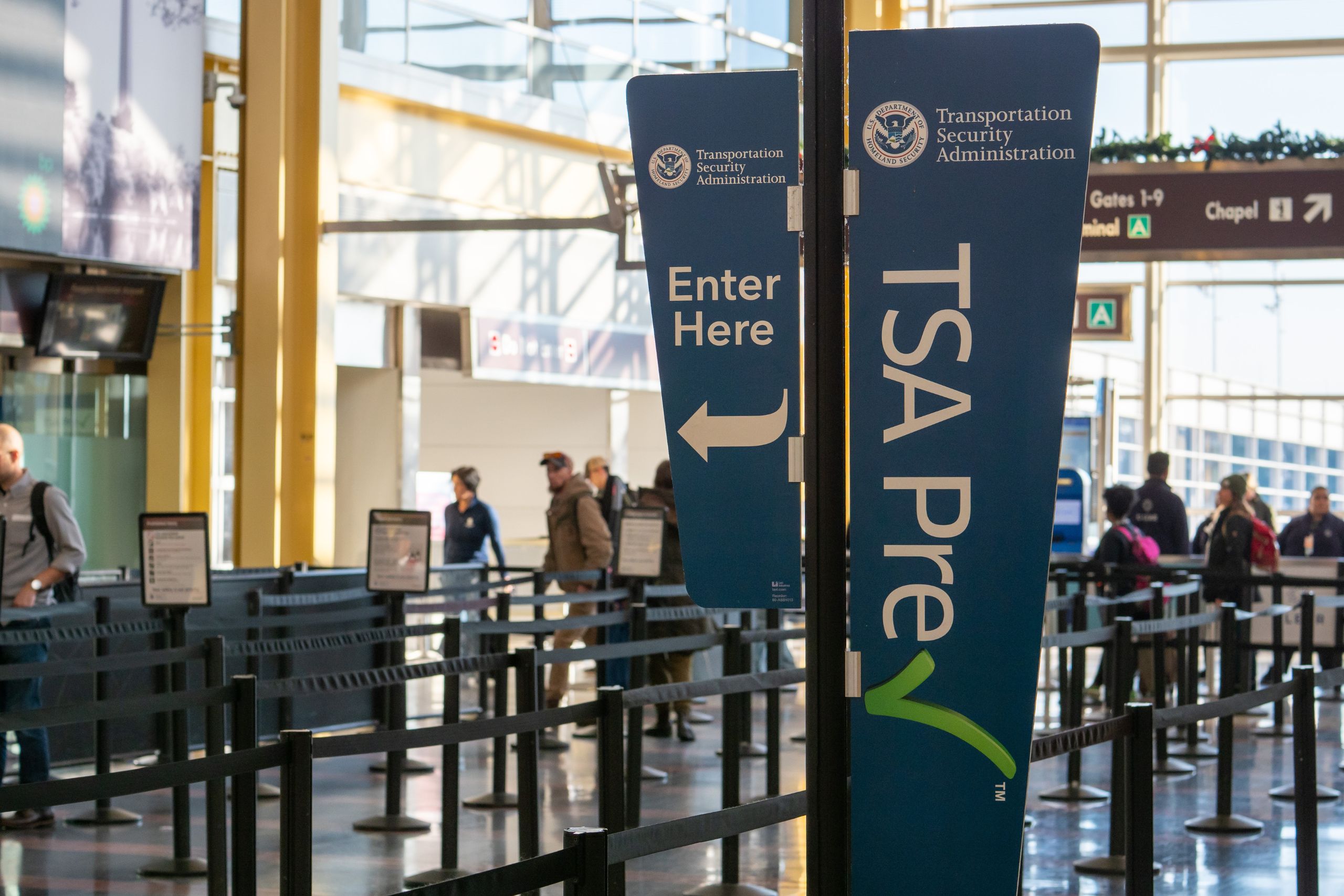
It happens more often than most people realize. A traveler approaches the TSA checkpoint at FLL, places their carry-on bag on the conveyor belt, and suddenly finds themselves surrounded by law enforcement officers. The X-ray machine has detected a firearm in their luggage—perhaps a handgun they forgot was in a side pocket, or one they packed believing they were following proper procedures.

What follows is a cascade of legal consequences that unfolds on two parallel tracks: immediate arrest by local law enforcement for violating Florida state law, and the initiation of federal civil penalty proceedings by the TSA. Each track operates independently, with its own rules, procedures, and potential outcomes. Neither one automatically resolves if you address the other.

The State Criminal Charge: Florida Statute § 790.06

Under Florida law, specifically Florida Statute § 790.06(12), it is a second-degree felony to carry a concealed firearm into “any place where the carrying of firearms is prohibited by federal law.” Airport security checkpoints clearly fall within this prohibition.

Penalties Under Florida State Law

A second-degree felony in Florida carries severe consequences:

  • Up to 15 years in state prison
  • Up to 15 years of probation
  • Fines up to $10,000
  • Permanent criminal record
  • Loss of firearm rights
  • Potential immigration consequences for non-citizens
  • Professional licensing implications
  • Employment difficulties

Even if you possess a valid Florida concealed weapons permit, it provides no defense to bringing a firearm through airport security. The license does not authorize carrying a weapon in places where federal law prohibits it.

The Criminal Process in Broward County

After arrest at FLL, defendants typically face the following process:

  1. Initial Arrest and Booking: Local law enforcement (often Broward Sheriff’s Office deputies) will arrest you at the airport, transport you to the main jail facility, and process you into the system.
  2. First Appearance: Within 24 hours, you’ll appear before a judge who will address bond and ensure you understand the charges.
  3. Arraignment: You’ll be formally charged and asked to enter a plea.
  4. Discovery and Negotiations: Your Fort Lauderdale criminal defense attorney will review all evidence, challenge any procedural violations, and negotiate with prosecutors.
  5. Resolution or Trial: Cases may resolve through dismissal, plea negotiations, or trial depending on the circumstances and strength of the defense.

The Federal Civil Penalty: TSA Fines That Can Exceed $15,000

While many defendants focus entirely on avoiding jail time, they’re often blindsided by a letter arriving weeks or months after their arrest. The TSA, operating under federal authority, assesses substantial civil penalties against individuals who bring firearms through airport security checkpoints—regardless of the outcome of the criminal case.

How TSA Penalties Work

The TSA civil penalty process is entirely separate from state criminal proceedings:

  • Initial Notice: The TSA typically sends a Notice of Violation weeks after the incident, proposing a civil penalty.
  • Penalty Amounts: As of recent guidelines, TSA fines for firearms violations range from approximately $3,000 to $15,000 for a first offense, depending on various factors including whether the firearm was loaded, whether ammunition was present, and the circumstances of the violation.
  • Aggravating Factors: Loaded firearms, accessible ammunition, or prior violations result in higher penalties. The TSA takes the position that bringing a loaded firearm to a checkpoint represents a more serious security threat.
  • No Criminal Conviction Required: The TSA can and does impose these fines even if your criminal charges are dismissed, reduced, or you’re found not guilty. These are civil administrative penalties, not criminal sanctions.

The TSA Response Process

When you receive a TSA Notice of Violation, you have a limited time (typically 30 days) to respond. Your options include:

  1. Pay the proposed fine: This closes the matter but involves no admission of criminal wrongdoing (though it may be used as evidence in state proceedings).
  2. Submit a written response: You can present mitigating circumstances, explain the situation, and request a reduction in the penalty.
  3. Request an informal conference: You can discuss the matter with a TSA attorney, present your case, and negotiate a reduced penalty.
  4. Request a formal hearing: This involves a more formal administrative proceeding before an administrative law judge.

Many people make the mistake of ignoring the TSA notice, assuming it will simply go away or that resolving their criminal case will eliminate the civil penalty. This is a critical error. Failing to respond within the deadline typically results in the proposed penalty becoming final, and the federal government can pursue collection through various means, including tax refunds, wage garnishment, and negative credit reporting.

Fort Lauderdale criminal defense lawyer

Why Both Threats Require Coordinated Legal Strategy

The dual nature of FLL firearm arrests creates unique strategic challenges. Decisions made in one proceeding can impact the other:

Evidence Sharing Concerns

Statements or documentation you provide to the TSA during civil penalty negotiations could potentially be used against you in the criminal case. Similarly, how you address the criminal charges may influence TSA penalty considerations.

Timing Considerations

The criminal case typically moves faster than the TSA civil penalty process. However, the criminal case’s outcome—whether dismissal, plea to reduced charges, or conviction—provides important context for TSA negotiations.

Financial and Freedom Priorities

Defendants must weigh the risk of incarceration, criminal record, and civil fines simultaneously. Sometimes, strategic decisions must be made about which threat to prioritize and how to allocate resources.

Character Evidence and Mitigation

Both proceedings allow for presentation of mitigating circumstances, but the standards and effectiveness of such arguments differ. Criminal court may consider factors that the TSA weighs differently, and vice versa.

Common Defenses and Strategic Approaches

Continue reading

Despite Florida’s generally gun-friendly laws, including the recent constitutional carry legislation, airports remain strictly-regulated environments when it comes to firearm possession.

The Fort Lauderdale-Hollywood International Airport offers service to more than 35 million passengers to 135+ destinations annually. There are more than 700 daily flights to and from the airport every single day. According to the Transportation Security Administration (TSA), officers discovered a total of 817 firearms in travelers’ carry-on luggage last year (slightly down from the 834 discovered the year before). Just at FLL, there were 113 unlawfully-carried firearms discovered in 2024 and 135 in 2023. firearm at airport Fort Lauderdale criminal defense lawyer

Here, Broward criminal defense lawyers delve into the legal implications of unlawfully carrying guns at airports in Florida, relevant state and federal statutes, and the importance of hiring an experienced criminal defense attorney if you find yourself facing charges.

Gun Regulations at Florida Airports

Florida’s gun laws have become increasingly permissive in recent years. As of July 1, 2023, Florida enacted constitutional carry, allowing eligible individuals to carry concealed firearms without obtaining a permit.

However, this right does not override federal restrictions or TSA regulations regarding firearms in airports. It is possible to travel lawfully with firearms, if they’re unloaded, packed in a locked, hard-sided case and placed in a checked baggage. Most problems occur when people try to travel with guns in their carryon luggage.

Under Florida Statute 790.06, there are strict prohibitions on where firearms can be carried, including inside the secure areas of an airport. If you are found in possession of a firearm beyond the security checkpoint, you could face serious charges, including possible felony prosecution under Florida Statute 790.12, which could result in up to five years in prison. Beyond that, federal statute, 49 U.S.C. § 46314, prohibits bringing a weapon, explosive, or incendiary device in a secure area of the airport or onto an aircraft. Violations can result in imprisonment for up to 10 years and fines of up to $14,950. The severity of the charge and subsequent penalty often depends on the intent, how the weapon was carried, and whether there was accessible ammunition. This is one reason why hiring an experienced criminal defense lawyer is so important.

The Legal Process: From Detention to Court Case

Continue reading

Florida is a state that takes Second Amendment rights seriously. Florida has one of the highest numbers of legally armed citizens in the country, and the state’s laws are generally favorable to gun owners. However, when it comes to air travel, TSA regulations take precedence. Violating them—even unintentionally—can result in severe consequences.  
arrested Fort Lauderdale airport gun

If you’re arrested for carrying a concealed firearm into an airport in South Florida, it is critical that you contact a criminal defense lawyer immediately. It’s generally a good idea to decline even speaking to authorities until you’ve had a chance to talk to a lawyer first — even if the error was wholly unintentional.

Each year, millions of tourists pass through Florida’s international airports, including Fort Lauderdale-Hollywood International Airport (FLL), Miami International Airport (MIA), and Orlando International Airport (MCO). Florida’s thriving tourism industry means a high volume of travelers, many of whom legally carry firearms. Unfortunately, some gun owners unknowingly violate TSA regulations, leading to criminal charges that can have both state and federal consequences. If you find yourself in this situation, it’s crucial to understand the differences between Florida’s gun laws and TSA’s firearm rules, as well as why hiring a Fort Lauderdale criminal defense lawyer can make a significant difference in your case.

Understanding Florida’s Concealed Carry Laws

Florida has historically been a pro-gun state, allowing law-abiding citizens to carry concealed firearms with the proper permit. As of July 1, 2023, Florida enacted constitutional carry (also known as permitless carry), which means that any eligible person who meets the legal requirements can carry a concealed firearm without obtaining a permit. However, this right does not override federal restrictions or TSA regulations regarding firearms in airports.

Under Florida Statute 790.06, individuals who choose to obtain a concealed weapons permit still benefit from reciprocity agreements with other states. However, there are strict prohibitions on where firearms can be carried, including inside the secure areas of an airport. If you are found in possession of a firearm beyond the security checkpoint, Florida law (F.S. 790.12) allows for serious charges, including possible felony prosecution.

TSA Regulations on Firearms and Air Travel

The Transportation Security Administration (TSA) has strict rules on how travelers can transport firearms. Unlike Florida’s pro-gun stance, TSA’s regulations are federal mandates that all passengers must follow, regardless of state laws.

Key TSA rules include:

  • Firearms cannot be carried in carry-on luggage. All firearms must be unloaded, locked in a hard-sided case, and checked into checked baggage.
  • Ammunition must be properly stored. TSA allows ammunition in checked baggage, but it must be securely packed in original packaging or a container designed specifically for carrying ammunition.
  • Travelers must declare their firearm at check-in. When checking baggage, travelers must inform the airline that they are transporting a firearm.

Violating TSA regulations can result in serious consequences, even if you legally own the gun and had no intent to break the law.

Consequences of Violating TSA Firearm Regulations

Bringing a firearm into a TSA checkpoint—even by accident—can lead to both civil and criminal penalties.

Civil Penalties

TSA imposes hefty civil fines for improperly transporting firearms. As of 2024, these fines can range from $3,000 to $15,000, depending on the severity of the violation. Additionally, violators may lose TSA PreCheck privileges for several years.

Criminal Charges in Florida

If you are caught carrying a firearm past a TSA checkpoint in a Florida airport, you may face misdemeanor or felony charges, depending on the circumstances:

  • Misdemeanor charges (typically under F.S. 790.06) can result in up to one year in jail, probation, and fines.
  • Felony charges may apply if there are aggravating factors, such as a prior criminal history or intent to use the firearm unlawfully. A felony conviction can result in up to five years in prison and loss of firearm rights.

Federal Consequences

In addition to Florida state charges, the federal government may prosecute firearm violations under federal law. If charged federally, individuals face potential prison time and federal fines. Federal prosecution is more likely if the individual has a criminal history, was attempting to smuggle a firearm, or had an illegally modified weapon.

Why Hiring a Local Criminal Defense Lawyer is Important

Continue reading

The U.S. Supreme Court is poised to decide whether to uphold a federal law that prohibits individuals subject to a domestic violence restraining order from possessing firearms. firearm license firearm possession offense Fort Lauderdale defense attorney

The case is U.S. v. Rahimi, and it involves a Texas man accused of striking his girlfriend during an argument and later threatening to shoot her.

As Fort Lauderdale criminal defense lawyers who have represented defendants in matters of domestic violence, domestic violence restraining orders, and unlawful firearm possession, we’ve been watching the case closely. Although it comes down to federal law (18 U.S.C. §922(g)(8)) and we primarily handle state-level cases, there could certainly be some ripple effects if the justices err on the side of the right to bear arms.

Despite the conservative bend on the bench and the fact that justices expanded gun rights last year, many legal scholars are concluding it unlikely justices will go against the grain on this federal law in the Rahimi case. A federal appellate court in that matter struck down a 1994 federal ban on firearms for those under court order to stay away from their partners or spouses.

Whatever they decide, it could have implications for lots of other cases – including a pending matter involving President Joe Biden’s son, Hunter Biden. The younger Biden is facing criminal charges for purchasing a firearm while addicted to drugs, something that is also prohibited under federal law, though less commonly enforced as the domestic violence restraining order restriction.

As noted during the SCOTUS oral arguments, the existing federal background check system has blocked some 75,000 gun sales to those subject to domestic violence protection orders over the last 25 years.

What the Federal Law Says

The federal law says it’s unlawful for a person who has a protection order (a Florida judgment of injunction for protection of domestic violence meets this definition) in effect to possess guns or ammunition, to ship or transport guns or ammunition interstate, to receive any that have been so shipped or transported, or to have any that have been seized returned to them. The respondent in that case must be identified as an “intimate partner” (spouse, ex-spouse, co-parent, or person who lives/has lived together with victim). There are exemptions for police and active military members who who are required to possess service firearms as part of their job.

If a person is convicted of a domestic violence offense, they are permanently disqualified from possessing a gun or ammunition – and there’s no official use exemption in that case. Even if the case is expunged, the court can still retain that firearm prohibition.

Violate the federal firearm law on this, and you’re facing up to 10 years in federal prison and/or a $250,000 fine.

However, as our Fort Lauderdale defense attorneys can explain, even the repeal of the federal law wouldn’t necessarily mean these prohibitions would magically disappear. That’s because we still have state firearm restrictions for domestic violence injunctions with which to contend.

Florida Firearm Possession Rules for Subjects of Domestic Violence Injunction Continue reading

Contact Information