 Fort Lauderdale Criminal Attorney Blog


For years, a Fort Lauderdale DUI defense lawyer representing a veteran faced a structural problem. The office prosecuting the case also decided whether the client could get treatment instead. That changed on July 1, 2026.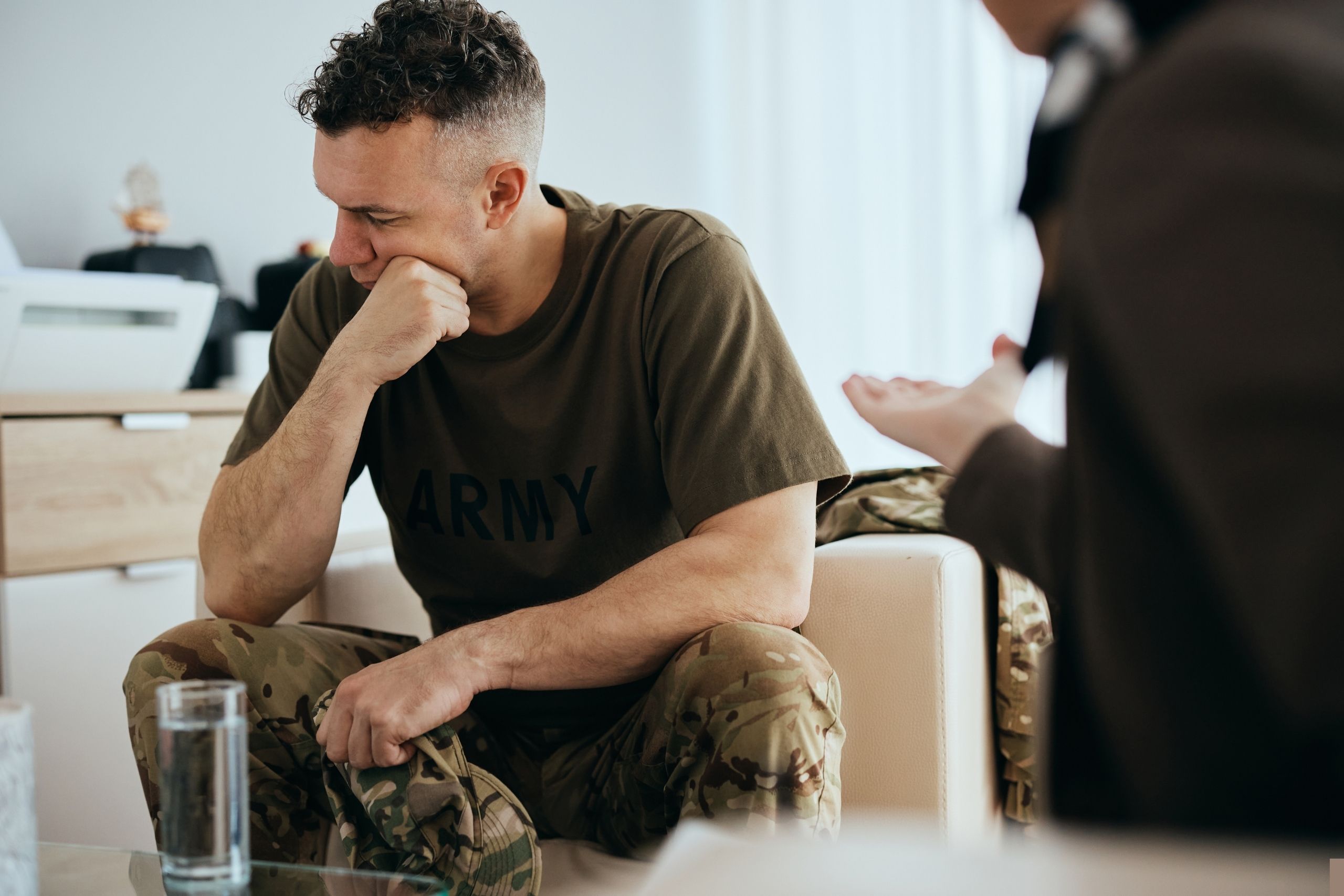
CS/CS/HB 199 passed the Florida House 110-0 and the Senate 37-0 and became Chapter 2026-128. The bill removed the requirement that a defendant apply to the state attorney for veterans treatment court. Now under the new law, it is the court, in consultation with the multidisciplinary team, authorized to determine eligibility. The prosecutor still gets a voice, and the must consider any recommendation of the state attorney. However, the prosecutor no longer holds a sole veto.
The Previous Process for Veteran’s Court
The change is easiest to see in Broward County’s own paperwork. The Seventeenth Judicial Circuit has run a veterans court since 2012. The State Attorney’s Veterans Treatment Court Program Guidelines published prior to the law change directed the defendant to submit an application to the state attorney, who was authorized to review each application and determine defendant’s eligibility and decide, in consultation with the court, whether to allow the defendant to participate. Under the old law, prosecutors determined eligibility and had discretion about entry.
Now it is the court that determines eligibility, in consultation with the veteran’s treatment team. The prosecutor’s position is now a seat at the table rather than a gatekeeper. Criminal defense lawyers in Broward County expect the circuit will soon update the written guidelines, but won’t wait for that to request entry to the program for eligible clients.
Why This Matters Especially for Veterans Arrested for Fort Lauderdale DUI
Veterans court exists because mental and physical conditions related to military service tend to be associated with criminal offenses involving substance abuse. A meta-analysis in the Journal of Head Trauma Rehabilitation found PTSD in 27 percent of people with traumatic brain injury compared to 11 percent without, and found the rate reached 37 percent in military samples against 16 percent in civilian ones. Research summarized in the Journal of Veterans Studies reports that roughly 60 to 80 percent of justice-involved veterans had a substance use disorder before arrest, and that substance use raises the risk of justice involvement three to five fold.
A veteran drinking to manage sleep disruption, hypervigilance, or untreated pain does not usually surface in the system through a violent felony. They surface on Interstate-95 at 2 a.m. Continue reading
