 Fort Lauderdale Criminal Attorney Blog


Here in South Florida, saltwater is life. From the New River downtown to the canals off Las Olas and the open Atlantic past Port Everglades, most days spent boating end with a few good stories and maybe a sunburn. Some, however, end with a citation, a court date, and a frantic search for a Fort Lauderdale boating attorney. The line between a fun afternoon and a criminal charge is thinner than many boaters expect, and it usually comes down to three things: speed, wake, and wildlife.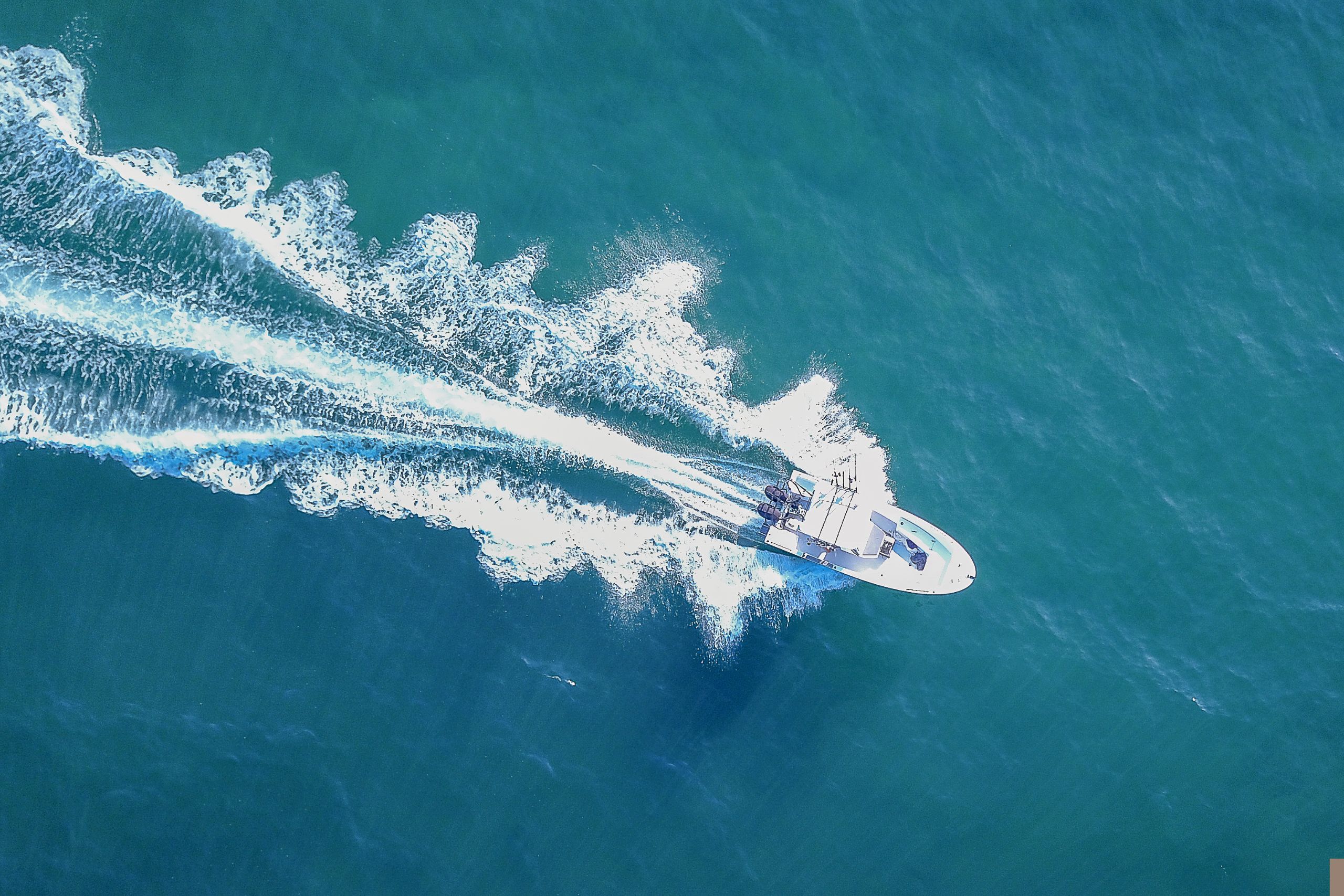
Reckless and Careless Operation Are Not the Same Thing
Florida law draws a sharp distinction between two kinds of bad boating. Under Florida Statute 327.33, careless operation means failing to run a vessel in a reasonable and prudent manner, with regard for other traffic, posted speeds, and wake restrictions. Careless operation is a noncriminal violation, closer to a ticket than a crime.
Reckless operation is the serious version. It involves a willful or wanton disregard for the safety of people or property. That offense is a first-degree misdemeanor, punishable by up to a year in jail and a fine of up to $1,000. The difference matters enormously. Weaving through crowded traffic near the Intracoastal, jumping another boat’s wake at full throttle, or buzzing swimmers can push a careless lapse into reckless territory. An officer’s judgment in the moment often decides which box gets checked, and that single decision can follow a person for years.
Wake Zones: Slow Down or Pay Up
“No Wake” and “Idle Speed” signs are not friendly suggestions. They carry the force of law. In busy stretches like the Middle River and the residential canals off Las Olas, wake restrictions protect docks, seawalls, moored vessels, and people in the water. A boater who ignores a posted zone and damages property or endangers someone can face a careless or even reckless operation charge under the same statute.
Wake also creates a quiet liability trap. A large wake that swamps a kayaker or slams a smaller boat can spark both a criminal citation and a civil claim. The captain stays responsible for the wake the vessel throws, even after motoring well past it. Continue reading
