
Articles Tagged with FWC violation defense lawyer

A Fort Lauderdale FWC violation defense lawyer often hears the same assumption during initial client consultations: The boater believed the paper an officer handed them on the water was a traffic ticket. Usually, it isn’t. Florida sorts fish and wildlife offenses into four penalty levels under Fla. Stat. § 379.401, and only the first level is non-criminal. The other three produce criminal records, mandatory minimum fines, and the loss of hunting and fishing privileges. Understanding the type and severity of the charges resulting from a run-in with an FWC officer is imperative to your defense. Fort Lauderdale FWC violation attorney
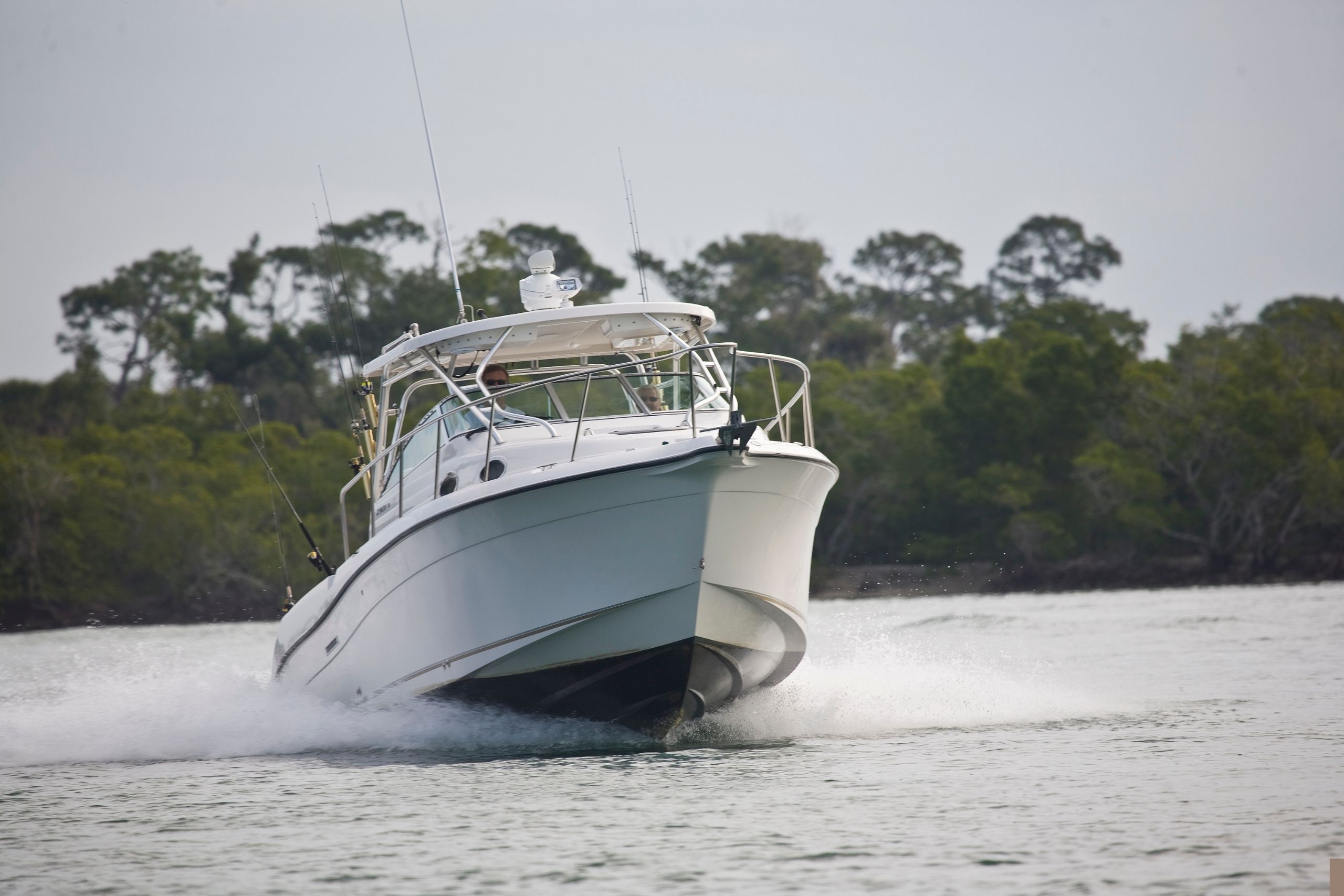
Level One: A Civil Infraction With a Criminal Trapdoor

Level One FWC offenses concern documentation and access rules. Recreational license and permit requirements are detailed under F.S. § 379.354(1)-(15), along with quota hunt permits, camping and vehicle rules inside wildlife management areas, hunter safety course requirements under F.S. § 379.3581, and the return of unused CITES tags issued through the Statewide Alligator Harvest Program.

A Level One FWC violation is a non-criminal infraction. The officer cites the person, who is required to  appear in county court. The civil penalty is $50, or $250 if the person committed the same Level One violation previously within the preceding 36 months. Someone cited for a license problem can often buy the license, show proof, and pay the $50 penalty by mail within 30 days.

Note: there are two provisions convert that infraction into a crime. Under § 379.401(1)(g), a person who refuses to accept the citation, fails to pay the penalty, or fails to appear in county court commits a second-degree misdemeanor. Under F.W. § 379.401(1)(h), a person who elects to appear waives the statutory caps, and the court may then impose up to $500 for subsequent violations. One provision cuts the other way. Under § 379.401(1)(i), a person cited for failing to carry a license may not be convicted if they produce a license that was valid on the date of the stop.

Level Two: The Line Between a Ticket and a Record

Level Two are criminal offenses, and these statutes are the most common basis for Broward County angler FWC stops. Closed seasons, bag limits, possession limits, size limits, restrictions on methods of taking, landing requirements, spearfishing under F.S. § 379.2425, tarpon taken without a tag under F.S. § 379.357(3), and alligator licensing and tagging under F.S. §§ 379.3751 and 379.3752 all fall at Level Two. Continue reading


Fort Lauderdale is one of the premier boating destinations in the world. On any given weekend, the Intracoastal Waterway, the New River, and the waters off Port Everglades are alive with vessels of every kind. But as Fort Lauderdale criminal defense lawyers can explain, a significant shift in Florida law — one that has been unfolding in phases since mid-2025 and is now fully in effect in 2026 — means that those same waters are more legally consequential than ever before. If you own, operate, or spend time on a vessel in Broward County, understanding what has changed is not optional. It is essential.FWC violations lawyer

What the New Vessel Accountability Law Actually Does

Senate Bill 164, signed by Governor Ron DeSantis and implemented in two phases — July 1, 2025, and July 1, 2026 — represents the most comprehensive overhaul of Florida’s derelict and at-risk vessel framework in years. The legislation amends Florida Statute § 327.30 and related provisions, and was designed to address problems with derelict vessels that may threaten seagrass beds, endanger navigation, and create serious environmental hazards.

The provisions most relevant to active Broward boaters fall into two areas of heightened concern.

  • Effective Means of Propulsion (EMP) Evaluations. Under the new law, vessel owners must complete an EMP evaluation upon request by law enforcement. If an FWC officer has reason to believe the vessel lacks an effective means of propulsion and the owner is present, that evaluation must be conducted immediately. If the owner is not present, it must be completed within 48 hours of receiving notice. If the vessel cannot demonstrably operate safely under its own power, there is a risk of citation, possible removal, and other escalating legal consequences.
  • Long-Term Anchoring Permits and Public Nuisance Declarations. As of July 1, 2026, vessels anchoring long-term in Florida waters must obtain an annual electronic permit issued by FWC. Unauthorized long-term anchoring carries fines of $100 for a first offense, $250 for a second, and $500 for a third or subsequent offense. A vessel owner who receives three violations within a two-year period may have their vessel declared a public nuisance and removed as if it were derelict.
  • Escalating Criminal Penalties. The law increases penalties for repeat offenders, with charges escalating from first-degree misdemeanors to second-degree felonies for multiple derelict vessel offenses. Living aboard a vessel declared derelict by a court or administrative order is now prohibited and carries a first-degree misdemeanor charge.

An FWC Citation Is Not a “Ticket” — It Is a Criminal Matter

Continue reading

Contact Information