 Fort Lauderdale Criminal Attorney Blog


Fort Lauderdale domestic violence defense often involves a second fight that starts after the arrest. A person charged with domestic battery goes home, or calls from the Broward County jail, and reaches out to the alleged victim. Sometimes the goal is to apologize. Sometimes it is to ask the partner to drop the charges. That contact can produce new charges that carry more prison time than the original case. Florida’s witness tampering statute, section 914.22, is the most serious of them.
The Alleged Victim Cannot Drop the Charges
Many people accused of domestic violence believe the case ends if the partner changes the story or refuses to cooperate. It does not. The Broward State Attorney’s Office decides whether to prosecute, not the alleged victim. Prosecutors can and do move forward with 911 recordings, body camera footage, photographs, and officer testimony.
That misunderstanding drives a lot of tampering cases. An accused person who thinks the partner controls the outcome has every reason to try to change the partner’s mind. The law treats many of those efforts as crimes.
What Section 914.22 Prohibits
Section 914.22(1) makes it a crime to knowingly use intimidation or physical force, to threaten another person, to engage in misleading conduct toward another person, or to offer another person money or other financial benefit. An attempt to do any of these counts too. The conduct must be aimed at causing a person to do one of six things: withhold testimony or evidence, destroy or conceal evidence, evade a subpoena, skip a court proceeding they have been summoned to, keep information from police or a judge, or testify falsely.
Two details matter in domestic cases. First, the statute reaches “any person,” not just the alleged victim. Pressure on the partner’s mother, a roommate, or a neighbor who called 911 can support a charge. So can asking a friend to deliver a message. Second, under section 914.22(5), no court case needs to be pending at the time of the contact. A message sent the night of the arrest, before the State files anything, qualifies.
The financial benefit clause catches conduct many people never think of as tampering. An offer to keep paying rent, cover a car payment, or send money for the children if the partner stays home from court can support the charge.
The Penalty Rises With the Original Case
Section 914.22(2) ties the tampering penalty to the seriousness of the case being tampered with, and it always sits one level higher. Tampering in a misdemeanor case is a third-degree felony, punishable by up to five years in prison. Tampering in a third-degree felony case, such as aggravated assault, is a second-degree felony, punishable by up to 15 years. Tampering in a second-degree felony case, such as aggravated battery, is a first-degree felony, punishable by up to 30 years.
A first-offense domestic battery carries up to one year in jail. A single call asking the partner to lie about that battery can carry five years in prison.
Section 914.22(3) creates a lesser but related crime: harassing a witness, victim, or informant. It applies to a person who intentionally harasses someone and thereby hinders, delays, prevents, or dissuades that person from testifying, reporting to police, seeking an arrest, or assisting a prosecution. Harassment in a misdemeanor case is a first-degree misdemeanor. In a third-degree felony case, it is a third-degree felony.
The No-Contact Order Creates Its Own Charge
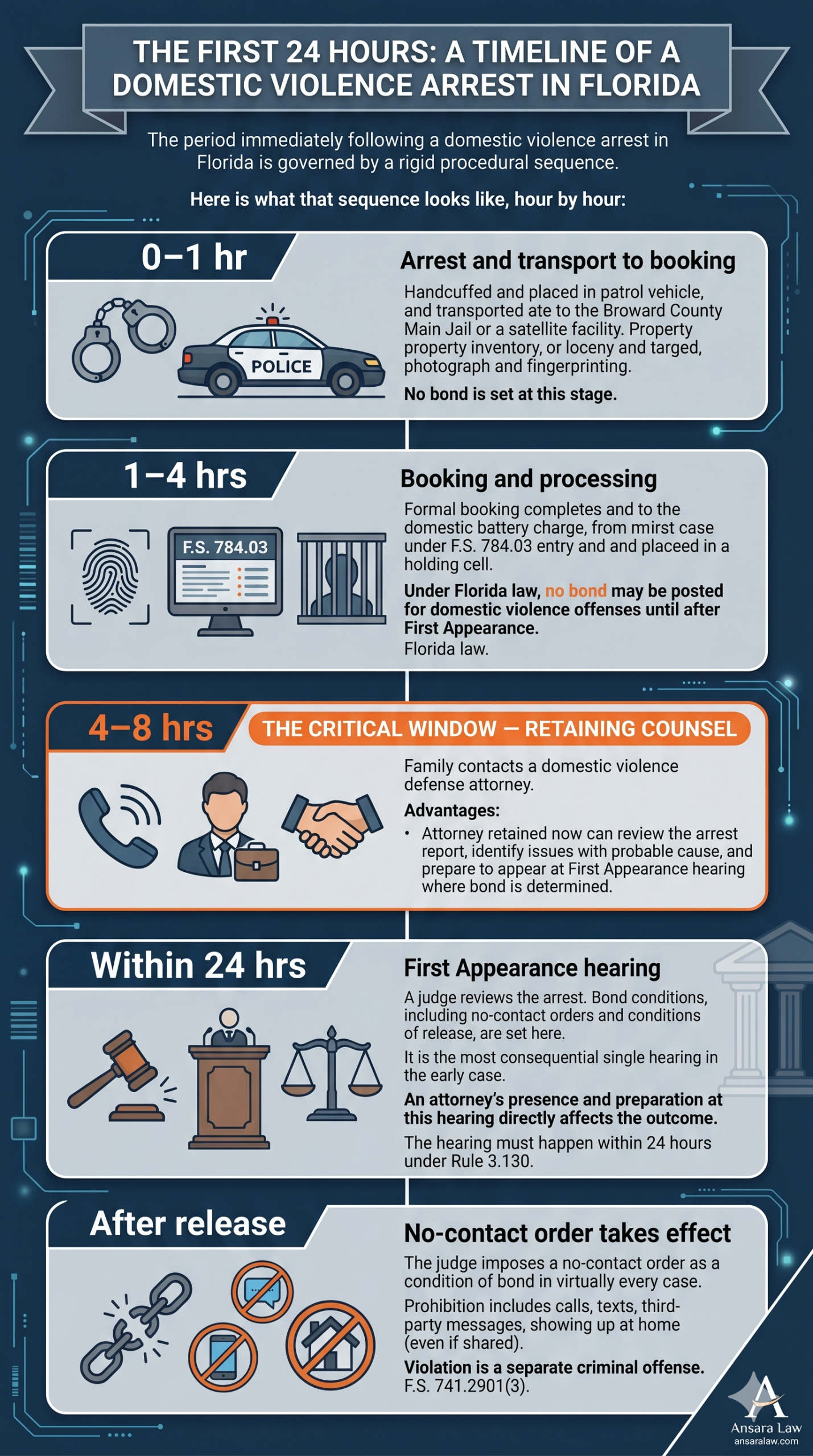
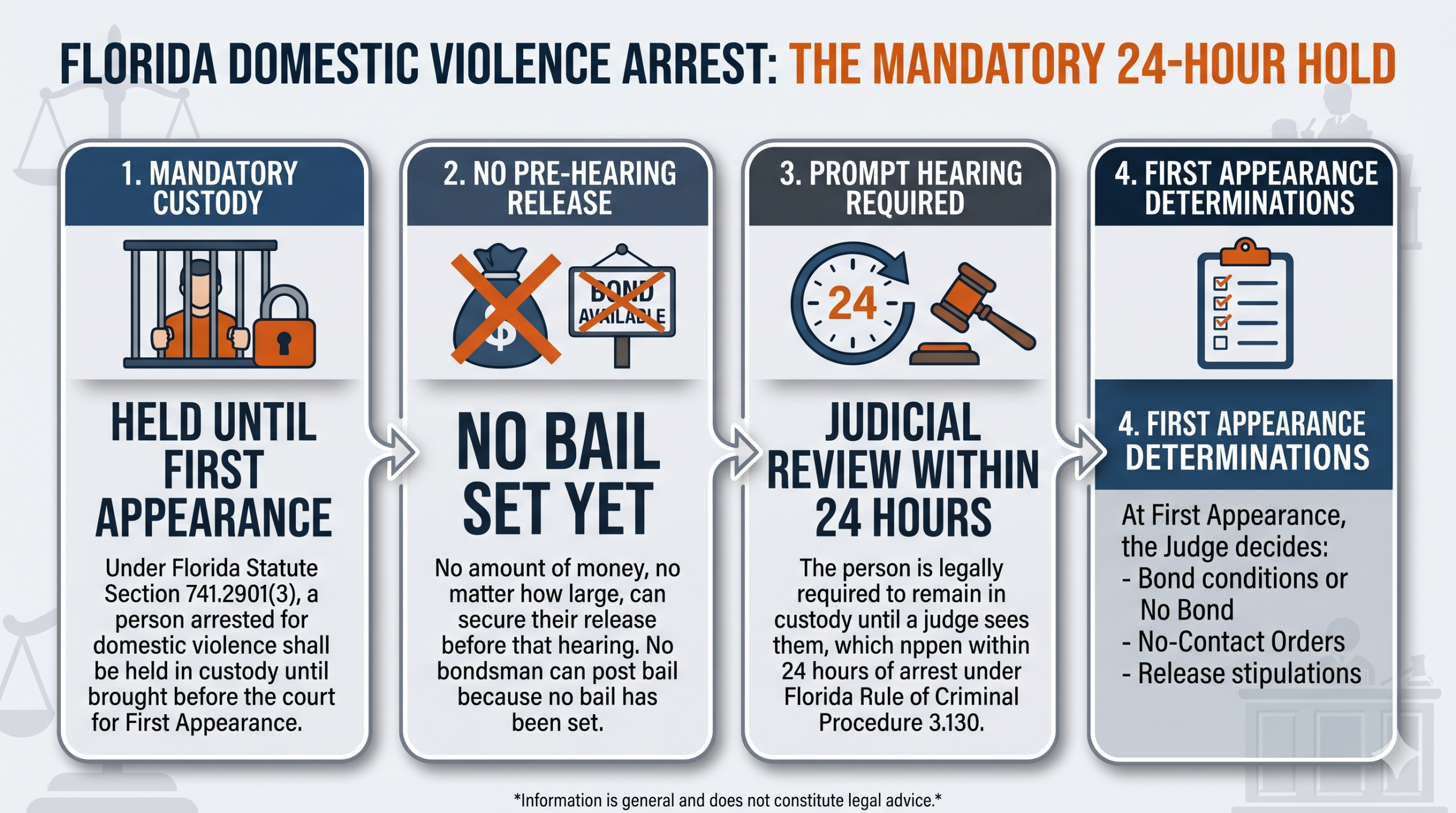
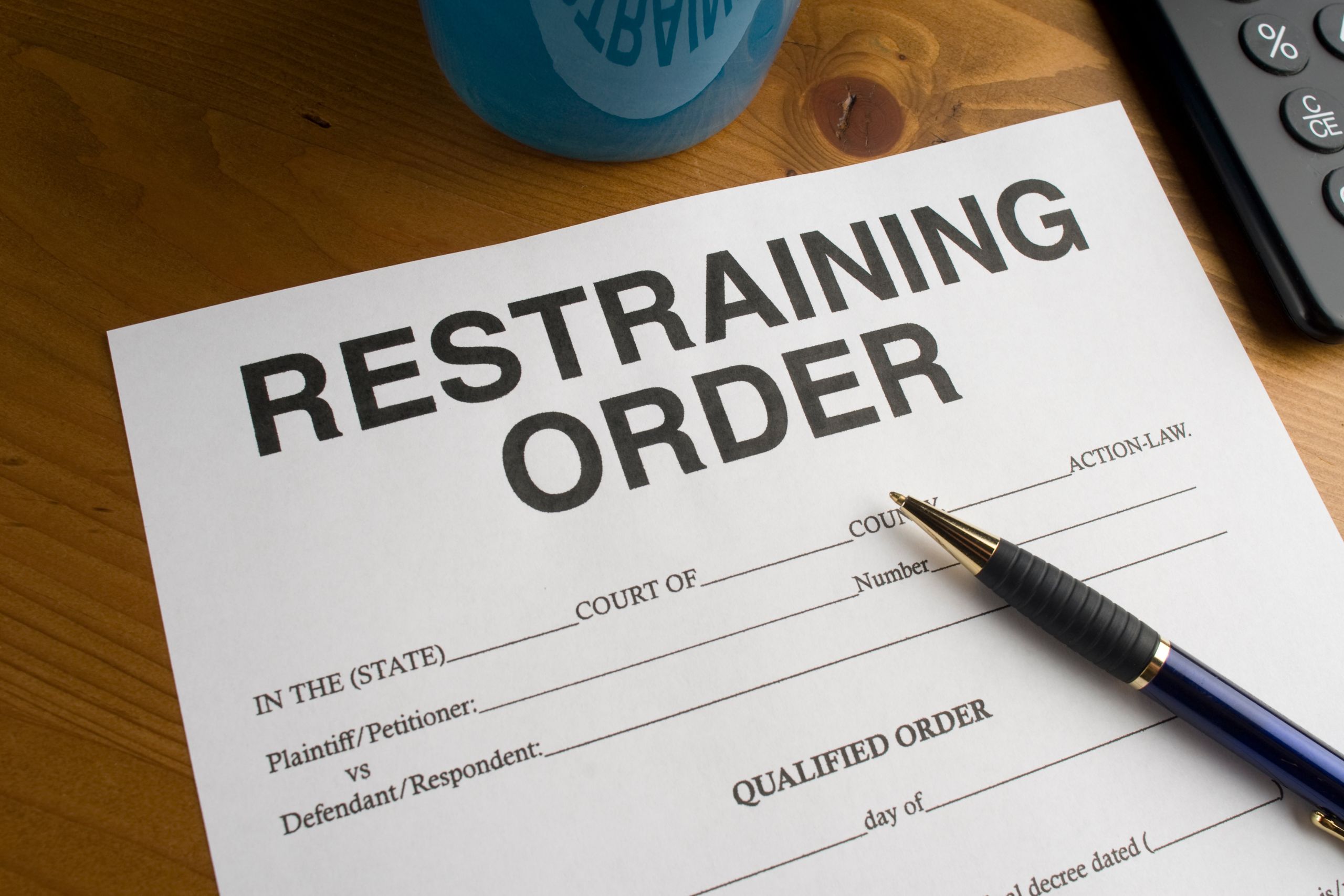
Tampering is not the only risk. In most Broward County domestic cases, the judge at first appearance orders the accused to have no contact with the alleged victim as a condition of release. Section 903.047 authorizes that condition. Under section 741.29(6), willfully violating a release condition in a domestic case is a first-degree misdemeanor. The statute also requires that the person be held in custody until first appearance. Continue reading