Articles Tagged with Fort Lauderdale DUI defense

A weekend in Fort Lauderdale or Miami can turn into a legal nightmare that follows you all the way home. Here’s what you need to know, and why acting fast with a Fort Lauderdale DUI lawyer can make a world of difference. Fort Lauderdale DUI lawyer
Fort Lauderdale is one of the most visited destinations in the United States. Millions of tourists, business travelers, and convention-goers pour into Broward County every year. Most leave with memories. Some leave with something far more complicated: a DUI arrest hanging over their head as they board a plane home.

If you’re reading this from a hotel room in Fort Lauderdale (or from your living room back in Ohio, Texas, or New York, still shaken from last weekend) this is for you. As a Fort Lauderdale DUI lawyer who handles cases for out-of-state visitors and business travelers, we see this situation constantly. And the good news is: it’s far more manageable than it feels right now.

Let’s walk through what you’re actually facing, what Florida law means for your home state’s license, and exactly how a local attorney can fight for you — potentially without you ever needing to come back.

Why a Florida DUI Is Not a “Local Problem”

One of the most dangerous misconceptions out-of-state drivers have is thinking that a DUI in Florida only affects them in Florida. “I don’t even live there,” people say. “I’ll just deal with it from home.” This line of thinking can cost you your license, and in some states, your career.

The reality is rooted in an interstate agreement called the Driver License Compact (DLC) — and if you’re a licensed driver in almost any U.S. state, you’re bound by it.

🔗The Driver License Compact: How It Works

The DLC is an interstate agreement signed by 45 states (all except Georgia, Massachusetts, Michigan, Tennessee, and Wisconsin). Under its “one driver, one license, one record” principle, states agree to share traffic violation and DUI conviction data with each other.

Here’s the flow:

🚔
Florida Arrest
Fort Lauderdale / Broward Co.
📡
DLC Reporting
Florida notifies your home state
🏠
Home State Acts
Suspends or revokes your license

Your home state is required to treat a Florida DUI conviction as if it happened in your own state — applying the same penalties your state would for a local DUI offense.

This means a conviction in Broward County courtroom can result in your driver’s license being suspended in New Jersey, California, Illinois, or wherever you call home. It can appear on background checks. It can affect professional licenses. And in some professions (such as commercial drivers, pilots, healthcare workers, lawyers) a DUI conviction triggers mandatory reporting requirements that can threaten your career entirely.

The stakes of an out-of-state DUI in Florida are not smaller because you were far from home. In many ways, they’re higher.

The 10-Day Clock: Your Most Urgent Priority

When a Florida law enforcement officer arrests you for DUI and your blood alcohol level tests at .08 or above (or you refuse a breath test), they will immediately confiscate your physical driver’s license and issue you a temporary paper permit. This permit is valid for only 10 days.

Within those 10 days, you or your attorney must request a Formal Review Hearing with the Florida Department of Highway Safety and Motor Vehicles (FLHSMV). If no hearing is requested, your Florida driving privileges are automatically suspended, and that suspension will be reported to your home state under the DLC.

  • Day of Arrest: Your license is confiscated. You receive a DUI citation and a temporary permit valid for 10 days. The clock starts now.
  • Within 10 Days: A formal review hearing must be requested. This is separate from your criminal case — it’s an administrative proceeding to fight the license suspension. A local attorney can file this on your behalf from anywhere.
  • Within 10 Days (Optional): You can also apply for a hardship license, which may allow limited driving privileges during the proceedings.
  • Criminal Arraignment: You’ll receive notice of your arraignment date. Out-of-state defendants are often able to waive their appearance at arraignment when represented by local counsel — meaning you don’t have to book a return flight.

Missing the 10-day window is the single most common and costly mistake out-of-state DUI defendants make. By the time they’ve talked to their family, calmed down, and started looking for lawyers back home, it’s often too late to preserve their driving privileges during the case.

The 10-day window doesn’t care that you live in another state. It doesn’t pause while you’re figuring things out. A local Fort Lauderdale DUI attorney can file your hearing request within hours of your call.

What Happens in Your Home State?

Understanding exactly what gets reported (and when) helps you understand why fighting the Florida case aggressively matters so much. Continue reading
Getting arrested for DUI in Fort Lauderdale can be overwhelming, frightening, and confusing. In the hours and days following your arrest, the decisions you make can dramatically impact the outcome of your case. Unfortunately, some people unknowingly sabotage their own defense by making critical mistakes that increase their risk of conviction and lead to harsher penalties.Fort Lauderdale DUI defense lawyer

As an experienced Fort Lauderdale DUI defense lawyer, I’ve seen cases where defendants’ actions after their arrest made an already challenging situation significantly worse. Understanding these common pitfalls and how to avoid them is crucial for protecting your rights and preserving your defense options.

The Stakes Are Higher Than You Think

Before diving into specific mistakes, it’s important to understand what you’re facing. A DUI conviction in Florida carries serious consequences including license suspension, hefty fines, mandatory DUI school, community service, possible jail time, and a permanent criminal record. These penalties only increase with subsequent offenses or aggravating circumstances. Every action you take after your arrest can either help or hurt your case.

Mistake #1: Talking Too Much to Police After Arrest

One of the most damaging mistakes people make is continuing to speak with law enforcement after their arrest (or even before). Many defendants feel compelled to explain themselves, apologize, or provide additional details about their evening. This urge to “set the record straight” nearly always backfires.

  • How This Impacts Your Case. Anything you say can and will be used against you in court. Police officers are trained to ask questions that may seem casual but are designed to elicit incriminating responses. Even seemingly innocent statements like, “I only had two drinks” or, “I was coming from dinner” can be twisted to support the prosecution’s case. A skilled criminal defense attorney knows that these statements often provide prosecutors with ammunition they wouldn’t otherwise have.
  • The Better Approach. Exercise your right to remain silent. Politely state that you wish to speak with a Fort Lauderdale DUI defense lawyer before answering any questions. This isn’t an admission of guilt; it’s a constitutional right designed to protect you.

Mistake #2: Failing to Request an Administrative Hearing

Florida law requires that you request an administrative hearing within 10 days of your DUI arrest to challenge your license suspension. This hearing is separate from your criminal case and provides an opportunity to potentially save your driving privileges.

  • How This Impacts Your Case. Missing this 10-day deadline results in an automatic license suspension. You lose the opportunity to challenge the suspension and may face months without driving privileges. This can severely impact your ability to work, attend court hearings, and meet with your criminal defense attorney. Additionally, failing to request this hearing eliminates valuable discovery opportunities that could benefit your criminal case.
  • The Better Approach. Contact an experienced Fort Lauderdale DUI defense lawyer immediately after your arrest. An attorney can request this hearing on your behalf and use it strategically to gather evidence for your criminal defense.

Mistake #3: Hiring the Wrong Attorney or Trying to Handle It Yourself

Some people make the costly mistake of either representing themselves or hiring an attorney who lacks specific DUI experience. DUI law is highly specialized, with complex procedural requirements, scientific evidence issues, and constantly evolving legal standards.

  • How This Impacts Your Case. General practitioners or inexperienced attorneys may miss crucial defense strategies, fail to properly challenge evidence, or overlook procedural violations that could result in case dismissal. Self-representation is even more dangerous, as prosecutors are skilled at taking advantage of unrepresented defendants. You’re essentially bringing a knife to a gunfight.
  • The Better Approach. Hire a Fort Lauderdale DUI defense lawyer who specializes in DUI cases and has extensive experience with local courts, prosecutors, and judges. An experienced criminal defense attorney will know how to challenge breath test results, field sobriety tests, and police procedures while building the strongest possible defense.

Mistake #4: Ignoring Court Dates and Deadlines

Continue reading

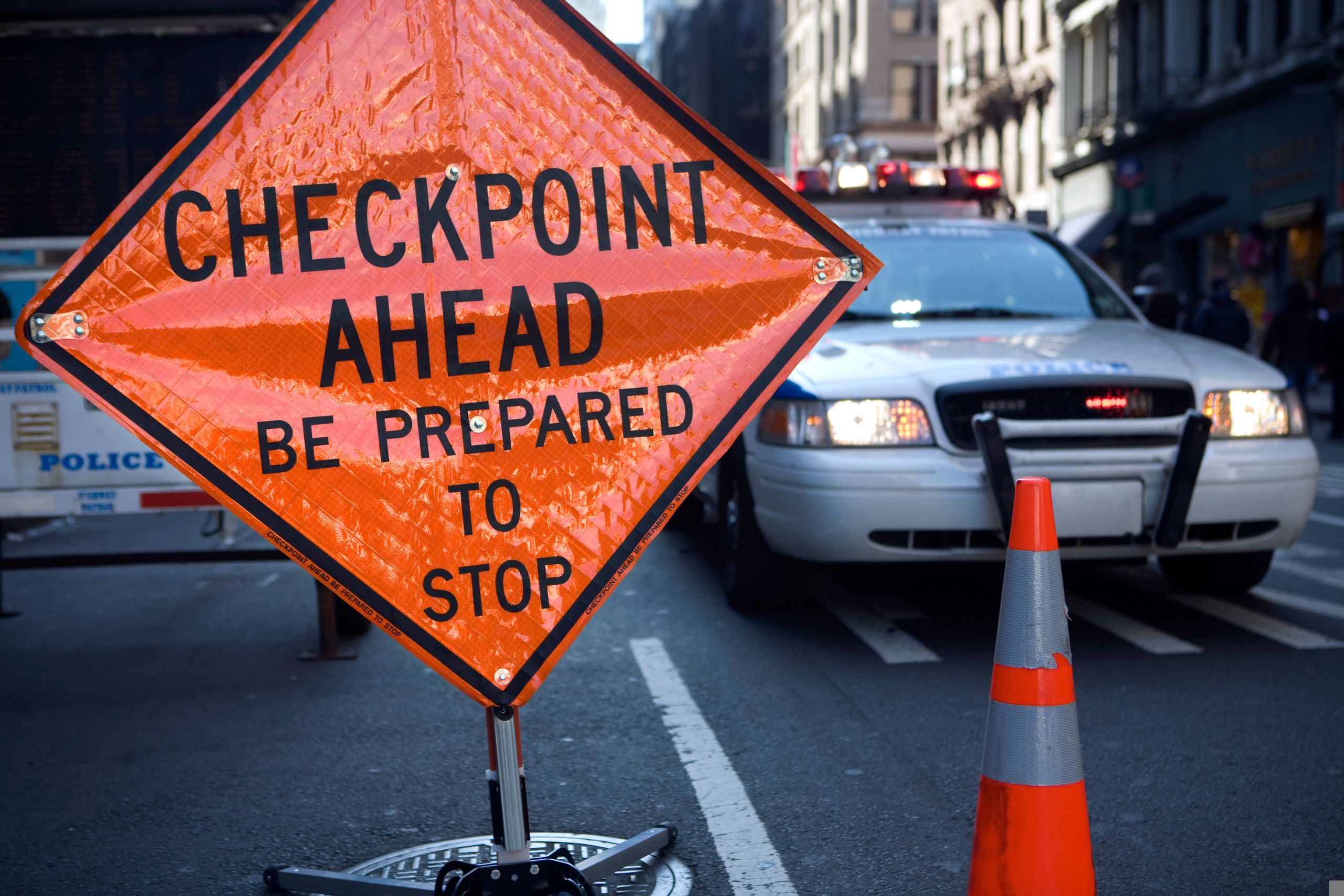
DUI checkpoints are a regular occurrence throughout Broward County, especially during holidays and major events. As a Fort Lauderdale DUI lawyer can explain, these strategically placed roadblocks allow law enforcement to briefly stop and evaluate drivers for signs of impairment. While these checkpoints serve a legitimate public safety purpose, many drivers don’t understand how these differ from regular traffic stops or what rights they maintain when encountering one.DUI checkpoint Broward DUI attorney

How DUI Checkpoints Differ from Standard Traffic Stops

In a typical Broward County DUI arrest scenario, an officer must have “reasonable suspicion” to pull you over. This might include observing erratic driving, speeding, or equipment violations. Once stopped, the officer can investigate further if they develop probable cause to believe you’re impaired.

DUI checkpoints operate differently. At checkpoints, law enforcement can stop every vehicle (or every nth vehicle according to a predetermined formula) without specific suspicion of wrongdoing. This presents a significant constitutional exception to the Fourth Amendment’s protection against unreasonable searches and seizures.

Legal Foundation for DUI Checkpoints

The Florida Supreme Court established the legality of sobriety checkpoints in the 1986 decision in State v. Jones, determining that properly conducted checkpoints do not violate Florida’s Constitution. The U.S. Supreme Court similarly upheld their constitutionality in the 1990 ruling in Michigan Department of State Police v. Sitz, finding that the state’s interest in preventing drunk driving outweighed the minimal intrusion on individual rights.

However, for a checkpoint to be legal in Florida, it must adhere to strict guidelines:

  1. The checkpoint must be authorized by supervisory personnel following a written operational plan.
  2. Officers cannot have unfettered discretion in stopping vehicles.
  3. The checkpoint must be clearly identified as a sobriety checkpoint.
  4. Motorists must receive adequate advance notice.
  5. The location must be reasonable.
  6. The detention time must be minimal.
  7. The roadblock must be conducted safely.

Checkpoints that fail to meet these requirements may be deemed unconstitutional, potentially invalidating any resulting arrests. An experienced criminal defense lawyer can analyze the facts of your case to help make that determination.

Your Rights at a Broward County DUI Checkpoint

When approaching a checkpoint in Fort Lauderdale or elsewhere in Broward County, you should be aware of your rights:

  1. You must stop at the checkpoint. Attempting to avoid a checkpoint by making an illegal U-turn or other evasive action can provide officers with reasonable suspicion to stop you separately.
  2. You must provide license and registration. Florida Statute §322.15 requires drivers to present their license, registration, and proof of insurance when requested by law enforcement.
  3. You can remain silent. Beyond providing identifying documents, you have the right to decline answering questions about where you’re coming from, where you’re going, or whether you’ve been drinking. Simply inform the officer politely that you’re exercising your right to remain silent.
  4. You can decline field sobriety tests. These tests are voluntary, and you can refuse them without penalty. However, be aware that refusal may lead officers to develop probable cause for arrest based on other factors like odor of alcohol, slurred speech, or bloodshot eyes.
  5. Chemical tests are different. Under Florida’s “implied consent” law (F.S. §316.1932), refusing a breath, blood, or urine test after arrest can result in an automatic one-year license suspension (18 months for a second refusal). This refusal can also be used against you in court.

The Checkpoint Process in Broward County

Broward County law enforcement agencies, including the Fort Lauderdale Police Department and Broward Sheriff’s Office, typically conduct checkpoints at high-traffic locations during evening hours. Officers may:

  1. Request your license and registration.
  2. Engage you in brief conversation to observe signs of impairment.
  3. Look for visible open containers or drug paraphernalia.
  4. Request field sobriety tests if they suspect impairment.
  5. Conduct breath tests if probable cause is established.

How a Local Fort Lauderdale Attorney Can Help

If you’re arrested at a DUI checkpoint in Broward County, securing representation from a local criminal defense attorney offers significant advantages: Continue reading

A Fort Lauderdale DUI arrest has the potential to do more than halt your driving privileges. It can result in jail time, major fines, and close the door to many opportunities – including those years down the road that may not even be on your radar yet. It can be tough to wrap your mind around the fact that one mistake made in a moment of poor judgment can have such a serious and lasting impact – but it’s true. The best way to minimize a negative outcome and long-term implications (some of which you may not have even realized existed) is to hire a Fort Lauderdale DUI defense attorney. Fort Lauderdale DUI defense lawyer

While driving impaired is often a one-time error for a lot of people, it’s something police in Broward County come across a fair amount. According to the Florida Department of Law Enforcement (FDLE), there are roughly 1,300 DUI arrests in Broward in an average year. Along with assaults, drug arrests, and theft, it’s among the top 5 most common criminal charges filed in Broward County.

Florida DUI Statutes

F.S. 316.193 is the primary Florida DUI statute. It spells out the criteria for determining driver impairment and the potential penalties.

One of the first things people want to know after a DUI arrest is, “Am I going to jail?” The answer is, “Probably yes, at least for booking. But how long you stay there – and the seriousness of the other penalties you face thereafter – depends on a number of factors that are going to be specific to your case.”

If it’s your first offense, you’re over the age of 21, don’t have a BAC of 0.15% or higher and you didn’t cause an accident, hurt anyone, or have a child under 18 in the car, you’re most likely facing a second-degree misdemeanor. You’ll be looking at fines ranging from $500 to $1,000, up to 6 months in jail, up to 1 year of probation, 50 hours of community service, vehicle impoundment, possible interlock ignition mandate, and completion of a DUI substance abuse course. Continue reading

Fort Lauderdale DUI lawyers know that even when the evidence against you seems overwhelming, there are always strategies to minimize the damage. Some clients are surprised at how effective a skilled defense lawyer can be, particularly when they know their actions may have crossed certain legal boundaries.Fort Lauderdale DUI defense lawyer

According to recent state law enforcement data, there were an estimated 1,300 DUI arrests in Broward County in a single recent year. But arrest doesn’t mean guaranteed conviction – particularly if you prioritize legal representation.

A Florida DUI conviction can have serious consequences — for your freedom, your finances, and your future. Even if you know you were in the wrong, do not simply resign yourself to pleading guilty to DUI until you have first consulted with a Fort Lauderdale DUI defense attorney. We can explain exactly what a guilty plea to F.S. 316.193 will mean for you, and offer possible defense approaches that could work substantially in your favor.

Fort Lauderdale DUI Defense Strategies

Not every defense strategy will work for every situation. That’s why it’s important to have a lawyer look at the individual facts of your case, compare it to existing law, and map out potential weaknesses in the prosecution’s case. Some of the elements we’ll be examining closely:

How did the officer handle the stop?

Drivers can’t be pulled over for absolutely no reason. The officer must have reasonable suspicion that the driver violated the law — either a traffic law or some other. They can’t merely stop you on a hunch or gut feeling. They have to be able to clearly articulate good cause for their action. DUI checkpoints may be the exception, but even then, certain rules must be followed. If the stop was invalid from the start, any evidence gleaned thereafter can be tossed.

What kind of field sobriety tests were administered?

Standardized field sobriety tests are frequently used in DUI stops, but they aren’t an exact science — and police aren’t scientists or medical professionals. There are many peer-reviewed studies by actual scientists who concluded field sobriety tests may only be accurate 30% to 60% of the time. Courts allow them to be used as evidence to support an officer’s conclusion, but they aren’t mandatory (the way breathalyzer tests are per Florida’s implied consent law). Nor do they paint a complete picture, even if they are accurate. Our defense team will look closely at the type of test, the methodology, and the results. Continue reading

When it comes to Fort Lauderdale DUI arrests, our criminal defense attorneys have heard numerous misconceptions and misunderstandings – and it can cost people bigtime in court.

Florida DUI misconceptions are frequently the result of people combing the internet in an attempt to “do their own research” about their situation. The internet contains a great deal of good information (this site, for example), but there’s also a lot of junk. Plus, every case is going to be different. It’s impossible to say how the law may apply to the specific circumstances of your case unless/until you speak with an experienced local criminal defense lawyer who can assess the facts of your case, and then carefully apply it to state law, local ordinances and common local judicial practices.
Fort Lauderdale DUI defense lawyer

Here, we outline some of the things people most often get wrong about DUI arrests and the criminal justice system process: Continue reading

Recent reporting by The New York Times reveals that breathalyzer tests, used in almost every police department in America, routinely generate skewed results – even though they’re marketed as being precise to the third decimal. Last year, judges in New Jersey and New Hampshire tossed more than 30,000 breathalyzer test results as evidence in DUI cases due to human error and a lack of government oversight. The same thing has happened thousands of times over across the country after tests showed that improperly-calibrated machines can show blood-alcohol percentage results that are 40 percent too high.Fort Lauderdale DUI defense lawyer

But does that mean drivers suspected of DUI shouldn’t take it?

Fort Lauderdale DUI defense lawyers know the answer to this truly depends on the situation, but you should know two things: Continue reading

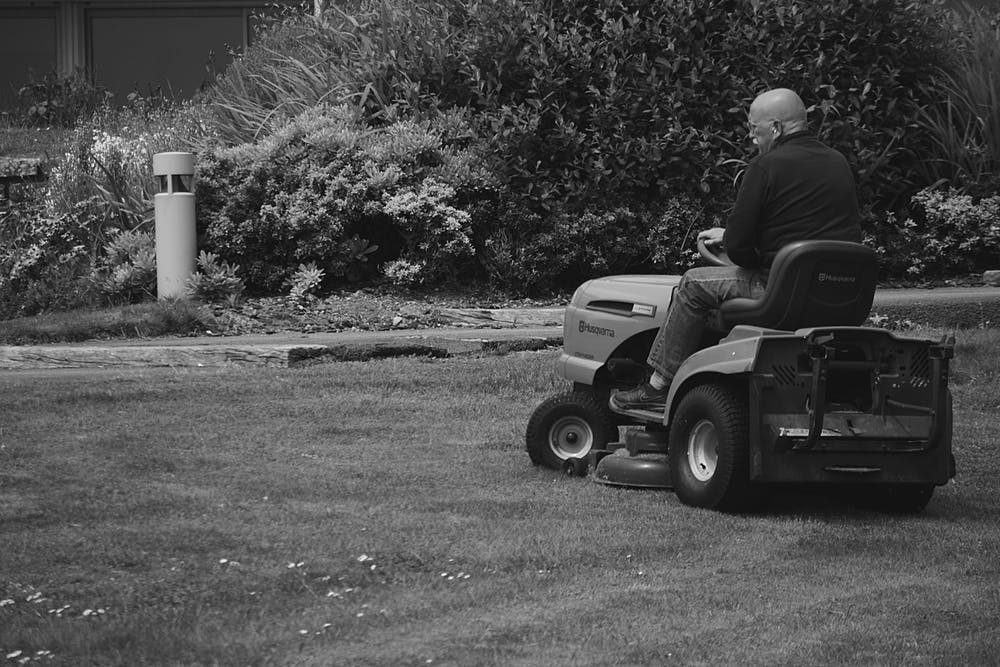
A Florida DUI arrest of a man driving a lawn mower has raised questions about the type of “vehicle” on which one might be arrested for DUI in Fort Lauderdale.Fort Lauderdale DUI

Local news reports are that a Haines City police officer was inside a business when a loud crunch from outside indicated someone had struck his cruiser. He walked outside to find a 68-year-old man operating a lawn mower with trailer attached that had crashed into the police vehicle. The man allegedly told the officer he’d be drinking, but denied causing any damage. After his breath-alcohol concentration was measured at 0.241, he was arrested for DUI and his lawnmower impounded.

As our Fort Lauderdale DUI defense attorneys can explain, while police are generally more concerned about drunk driving in traditional motor vehicles because of their potential for injurious and fatal damage, it is true a person can be arrested for operation of a number of different “vehicles,” pursuant to F.S. 316.193. Continue reading

Law enforcement officers wishing to obtain a blood sample of a driver suspected of being impaired would be wise to get a warrant. However, the latest practice of so-called “e-warrants” is making that process much easier, a fact our Fort Lauderdale DUI defense attorneys want to make individuals aware.Fort Lauderdale DUI defense lawyer

When it comes to sobriety testing during traffic stops of suspected impaired drivers, there are a few things a Florida DUI defense lawyer will want you to know in advance: Continue reading

Florida’s law against driving under the influence, F.S. 316.193, covers the offense of operating a vehicle while intoxicated not just by alcohol, but by any chemical substance that impairs the person’s normal faculties. This includes marijuana. However, now that the drug has become legal for medicinal purposes in the Sunshine State, some lawmakers say this statute does not go far enough. rolledcigarette

Now, House Bill 237, the Driving Under the Influence of Drugs Act, proposes that DUI arrests can be made and convictions secured if evidence is presented the driver had 5 nanograms or more of THC per milliliter of blood. If the law is passed, it would go into effect this October.

However, there has been significant push back from the scientific community on this because blood testing for THC, which is a fat-soluble compound, is known to be an inaccurate means of testing impairment. That’s because the substances stays in one’s body long after consumption, unlike alcohol, which dissipates quickly. What that means is if you find a certain amount of alcohol in one’s blood or breath or urine, that alcohol was consumed fairly recently and one can opine with reasonable certainty about the degree of intoxication. But that isn’t true with marijuana. In fact, all a test like this will tell you is that the person is a marijuana user. A high level of THC in the blood stream is not necessarily indicative of impairment. It may only indicate the person is a regular user. So if a person consumes a little of the drug every evening for a month and is pulled over one morning – completely sober – he or she could well have a THC level above that 5-nanogram limit. Continue reading

Contact Information